

A master plan is often mistaken for the drawing of a single illustrative site plan. Although this is probably the most memorable piece of a master plan, in themed entertainment, it is much bigger than that. Master Planning conducts feasibility studies and strategic framework planning before even getting to the creative designing park.
My name is Mark Spencer, VP of Master Planning at Falcon’s Creative Group, and I’m excited to pull back the curtain on master planning for themed entertainment. From early “blue sky” discussions and site analysis to guest flow, storytelling, operations, and growth planning, learn how big ideas become immersive, buildable experiences that deliver value for guests, owners, and operators alike.
What Master Planning Really Means
In a traditional application master plan is a far-reaching plan of action for small to large scale development. In entertainment planning, it utilizes all the same traditional methods of design and development but includes deeper attention to creating a venue or destination that not only entertains guests but also generates revenue. That business component matters: master planners are not simply making attractive drawings or cool looking places; They are shaping places that need to operate, endure, expand, and perform financially.
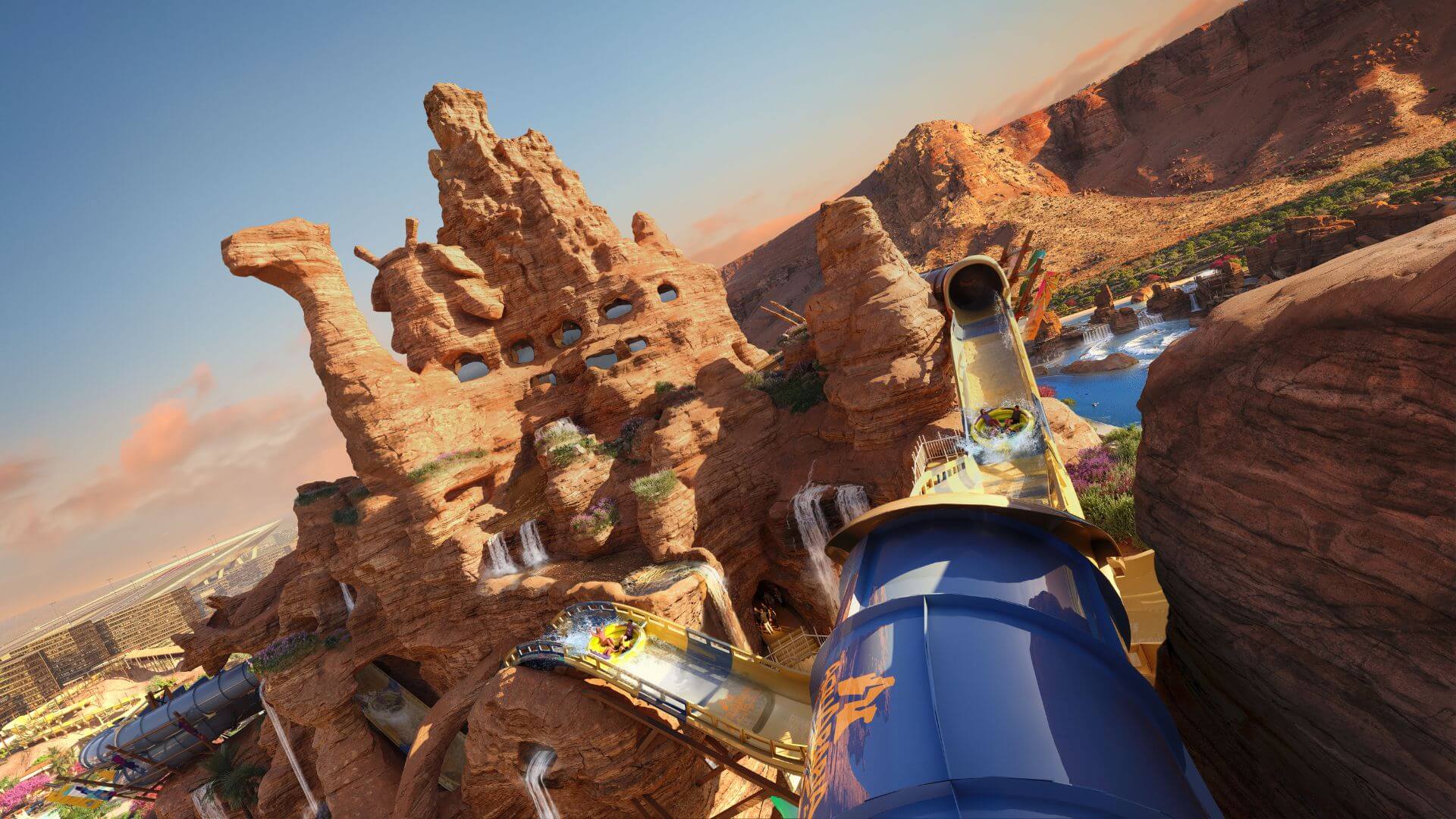
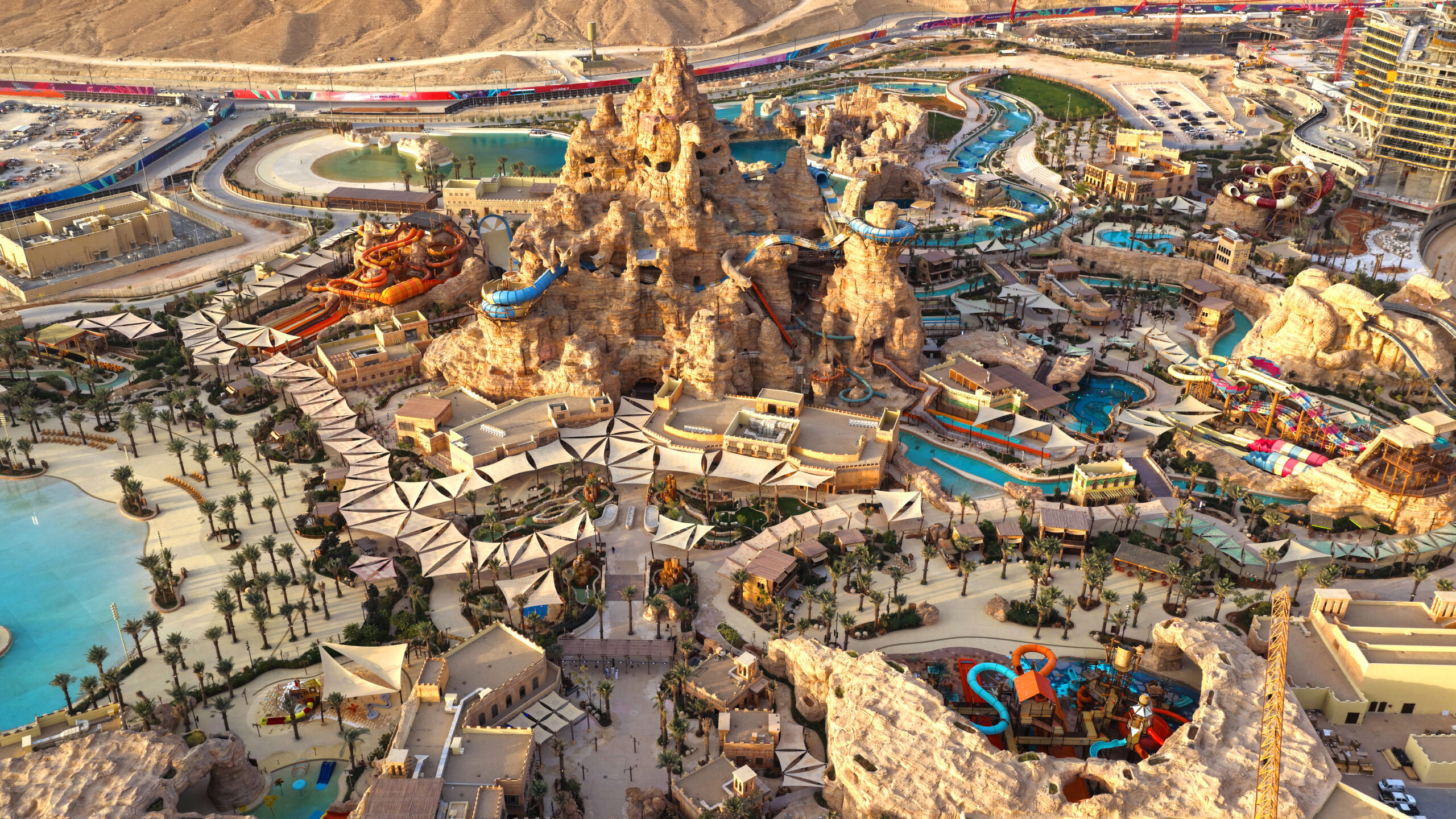
That could include a theme park, family entertainment center, location-based entertainment venue, traveling experience, water park, resort district, or immersive destination to name a few. Each requires decisions about layout, circulation, infrastructure, capacity, storytelling, safety, operations, and guest experience.
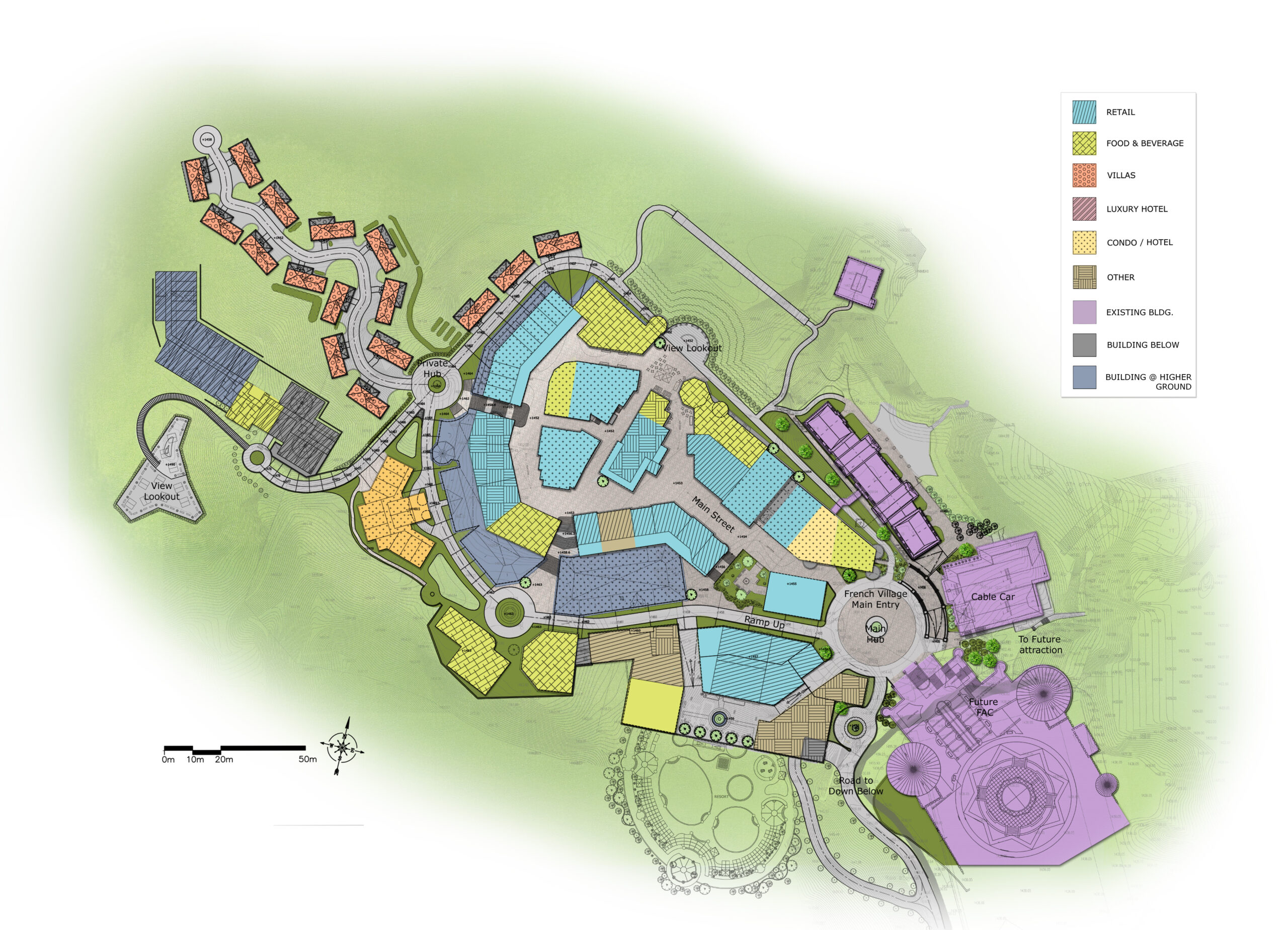
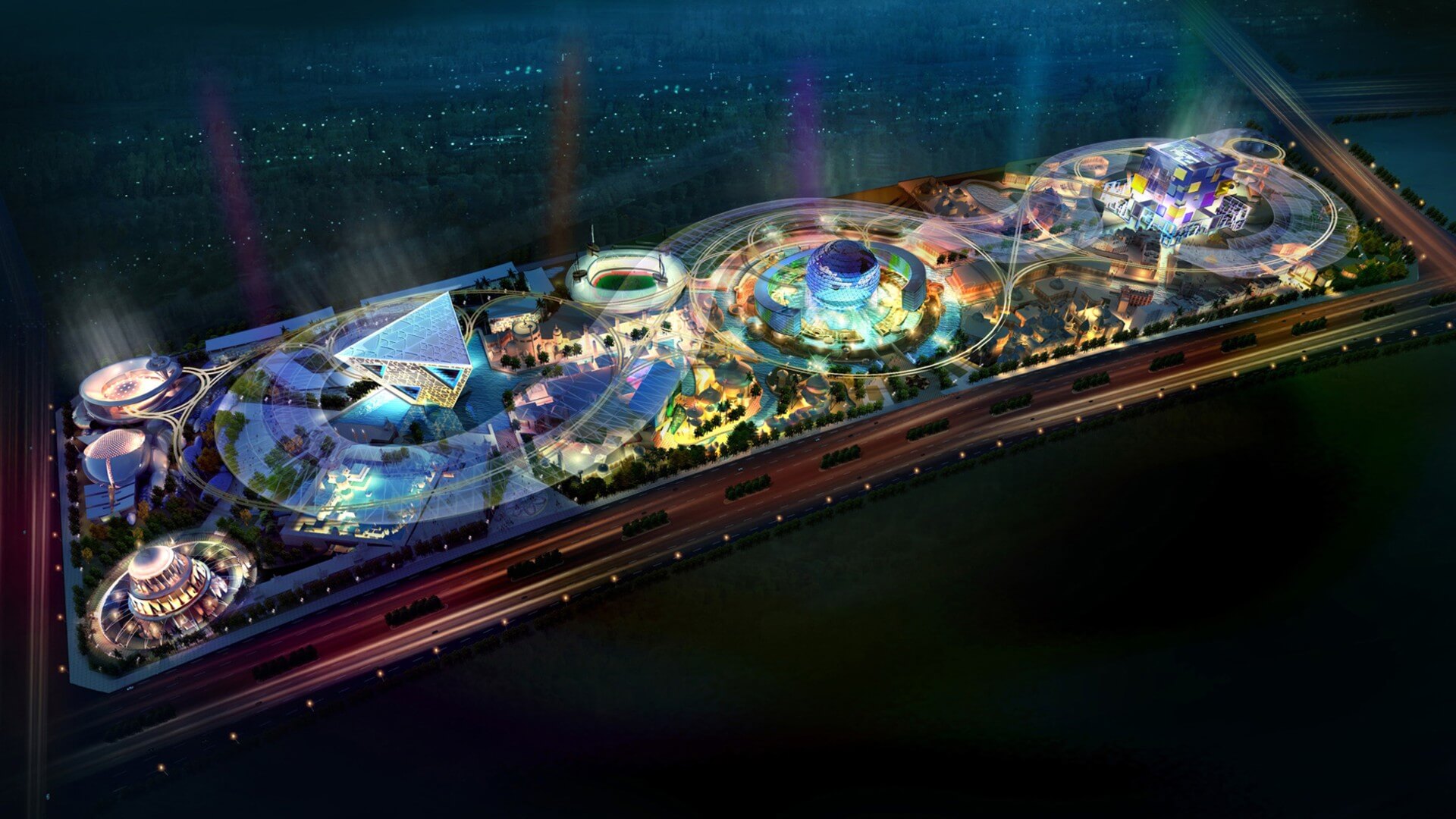
A site plan, by contrast, is one document within a broader master plan. It shows the layout of a specific site. It is one of the documents created to help “sell” the idea. The site plan helps people start to catch the vision of the project. It is often used for marketing and for gaining investment to fund the project. It is important, but it is only one sliver of the whole strategy.
The Master Planner’s Role: Vision Keeper and Problem Solver
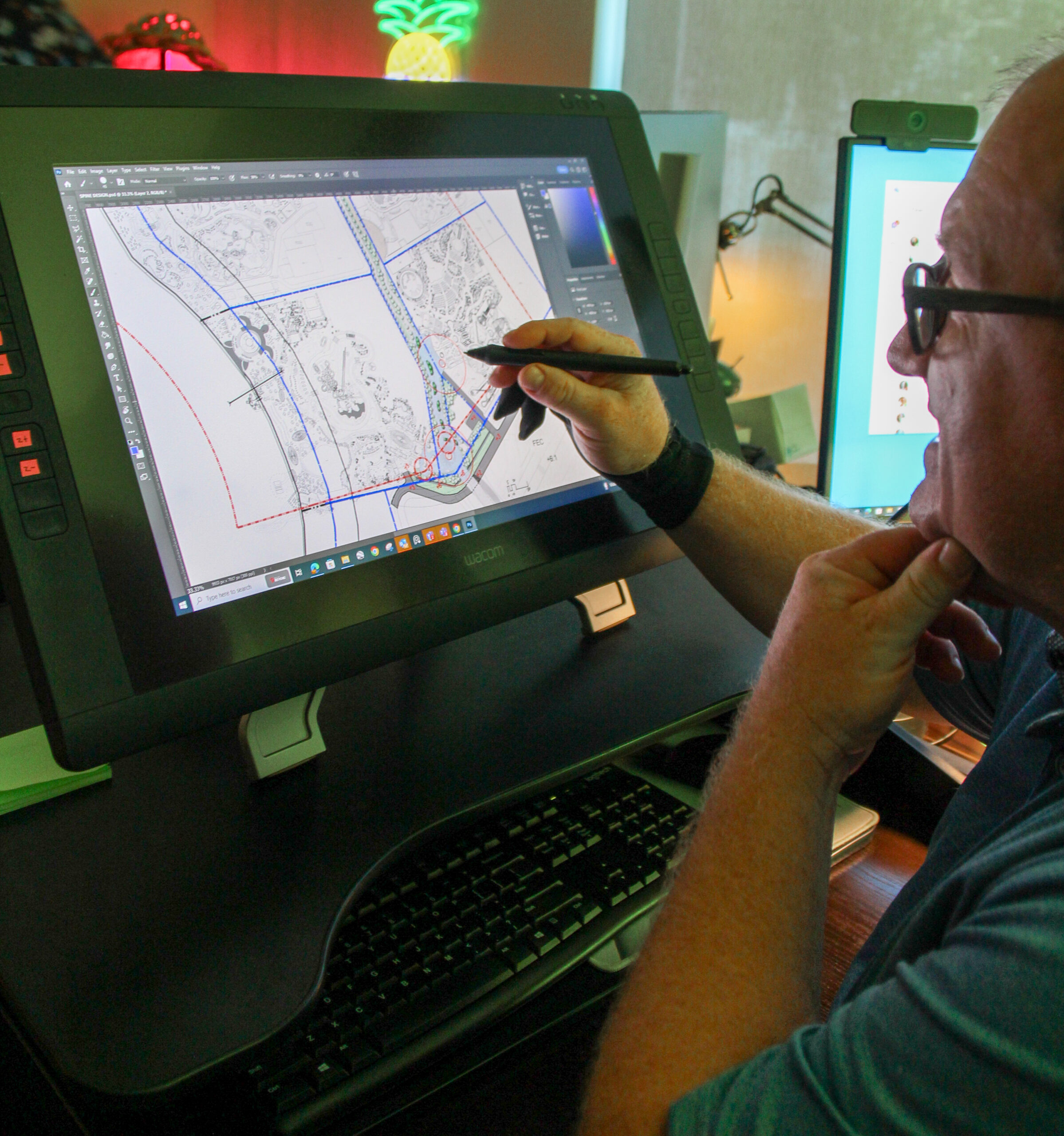
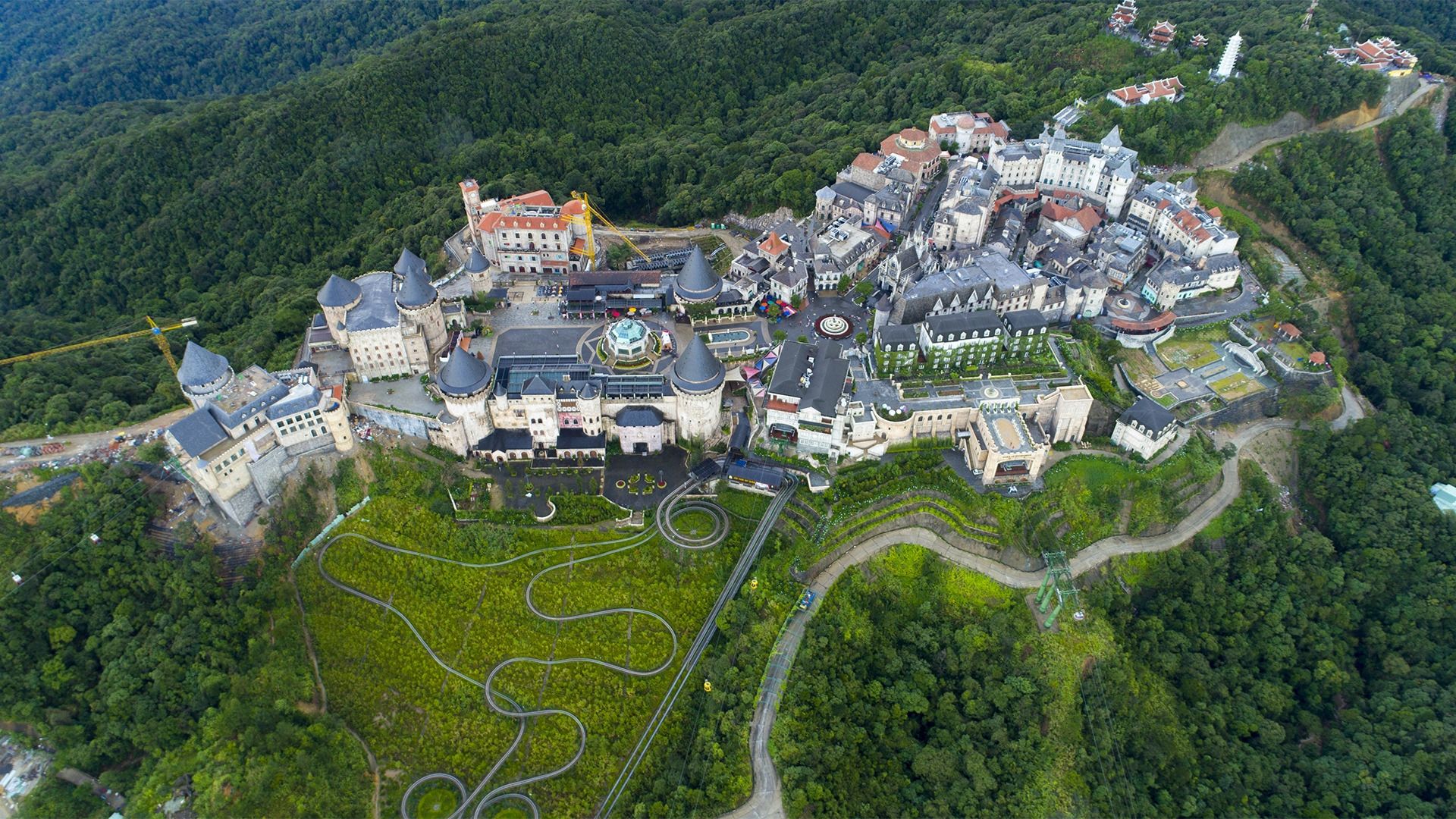
A master planner is both a big-picture vision keeper and the day to day multi-discipline problem solver. The role requires zooming out to understand how an entire destination works, then zooming back in to solve the smaller issues that make the experience better, then zooming back out to make sure it still works. I call this the 1,000 ft view versus the 50 ft view. Some problems are resolved from the perspective of being 1,000 ft away like the view from a mountain or a tall building, while others need to be solved from 50ft away like the view from a rooftop or a tree. A very common mistake in Master Planning is solving problems at a closer scale while not considering the bigger picture or going back and forth to look at the bigger picture.
The multi-discipline approach means a master planner needs to be able not only to understand but to also speak the language of creative directors, Architects, Civil Engineers, Environmental designer, Program Planners, Industrial Engineers, attraction designers, and so much more. The issues that we must coordinate revolve around, guest flow, landscape and area development, attraction planning, civil design, accessibility, safety, environmental conditions, and again so much more than can be listed. Every master planning project brings unique challenges and add the layer there is never a dull moment in being faced with new and unique challenges. There are so many disciplines that must align before a project can be built.
A traditional Landscape Architect would mostly consist of coordination of Civil, Planting, Hardscape and Irrigation disciplines. In themed entertainment we traditionally use the term area development because of the added disciplines of props, structures, interactive features, themed lighting, and story details all help define place and need to be documents and designed.
Four Types of Master Planning Work
Entertainment master planning can take several forms, and each type answers a different question in the life of a project. Most master planning scope can fall into one of these 4 categories.
- Feasibility studies test whether an idea makes sense. They establish target audiences, market assumptions, capacity goals, investment parameters, return-on-investment expectations, and the all-important “design day”: the target operating day a venue is designed to accommodate.
- Strategic frameworks turn early feasibility into a more technical guidelines to help orient the project for success. They may consider transportation, utilities, land use, environmental impact, codes, infrastructure, and broader development strategy. Typically a report is created that starts to create the goal posts of the project even before much design has started
- Master planning and design create the documentation needed to implement the project. This is the most common and most understood phase of design work. This is where land use, grading, landscape, hardscape, aquatics, sustainability, soil and wind studies, operations, guest experience, capacity, safety, sightlines, and future expansion all come together and a project starts to take shape
- Improvement plans revisit existing destinations or project sites. Markets change, audiences shift, intellectual property can lose relevance, and built places need to evolve. In those cases, a master plan can be revalidated, expanded, or repositioned.
The Creative Process Starts With Questions
Before a master planner draws a line, they ask questions. Who is this for? What surrounds the site? What does the audience want? What can the market support? What capacity is required? What environmental conditions must be respected? What intellectual property, technology, or trend might shape the experience?
Site analysis then turns those questions into constraints and opportunities. Topography, soil, drainage, wind, sun, utilities, stormwater, and access all influence the design. A bench placed in full sun while every shaded spot sits empty is not just a small oversight; it is a reminder that guest comfort starts with understanding the site.
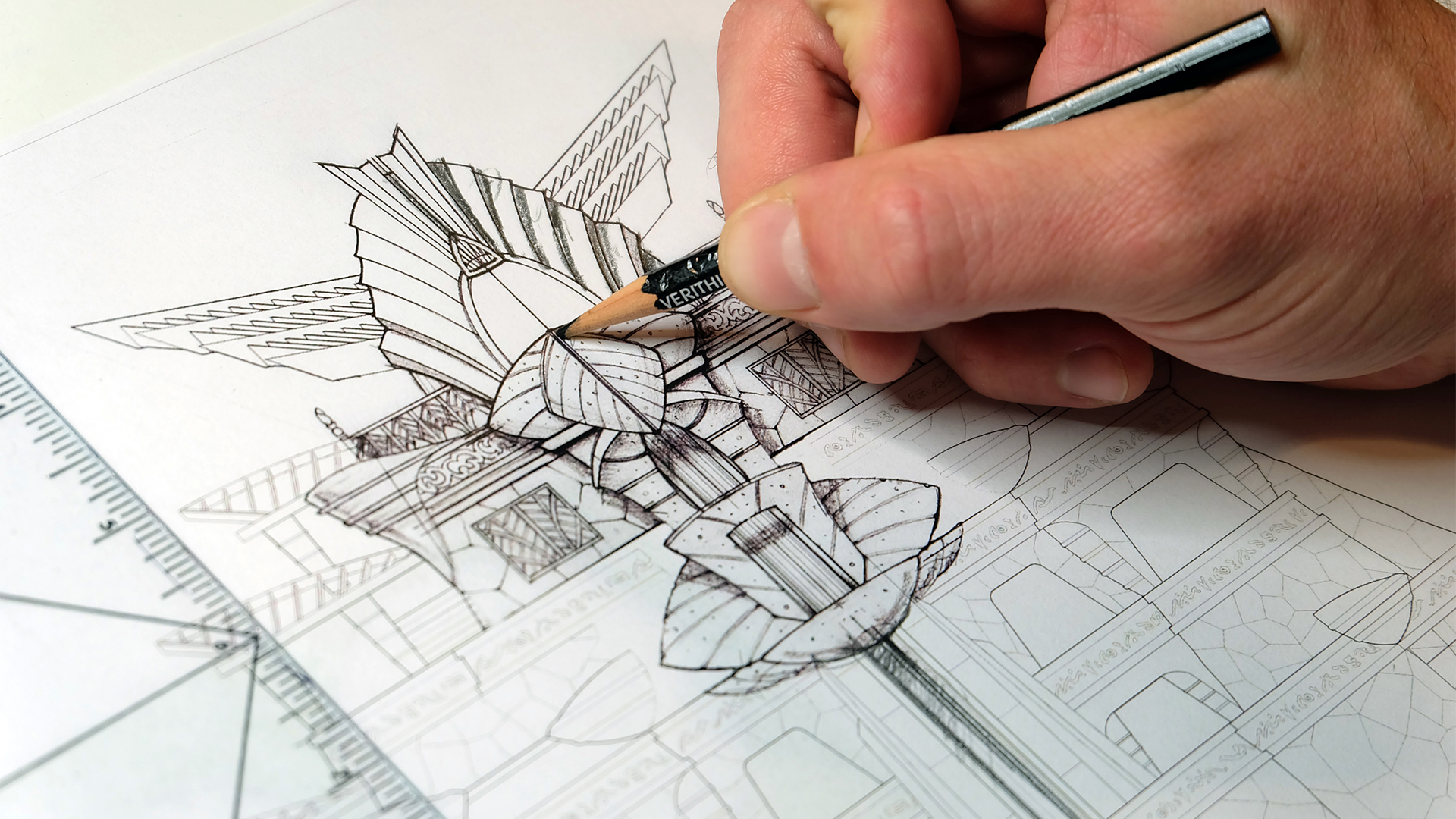
From there, early sketching begins. The best process often involves fast, loose variations: entry on the left, entry on the right; water feature here, water feature there; start high, start low. By testing opposites, the planner discovers what the site wants to become. Not every idea will work, but unusual options can reveal stronger solutions than a predictable, cookie-cutter plan.
Thinking in Layers
One of the hardest parts of master planning is managing the number of inputs at once. A blank page can be intimidating when the planner is thinking about wind, water, soil, story, operations, utilities, access, capacity, shade, safety, and future expansion opportunities all at once
The solution is to think in layers. City planners often begin with the natural environment, then utilities, public space, public facilities, economic opportunities, and housing all in sequential order.
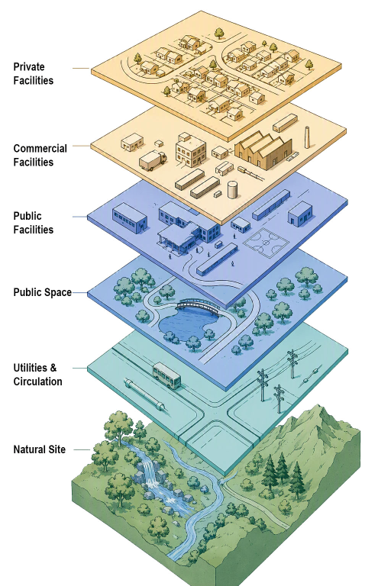
Entertainment planners use a similar mindset, stacking technical, creative, operational, and experiential layers on top of all these other traditional disciplines. When you thing about it, a theme park is a small city that has everyone show up every day and leave every day, but the servicing and function of the space has to mirror very much that of a small city.
Content Master Planning: The Story Between the Attractions
In themed entertainment, the experience is not limited to the headline attractions. Much of the storytelling happens in the connective tissue: the arrival sequence, the transitions, the views, the props, the pathways, the area development, the music, the lighting, and the small visual cues that tell guests where they are and what kind of world they have entered.
This is “content master planning”. It is the planning of story, place, and guest comprehension across the entire environment. A guest may not know the full lore behind a water park, land, or attraction, but they should still feel a journey unfold: arrival, transition, reveal, immersion, discovery, and payoff.
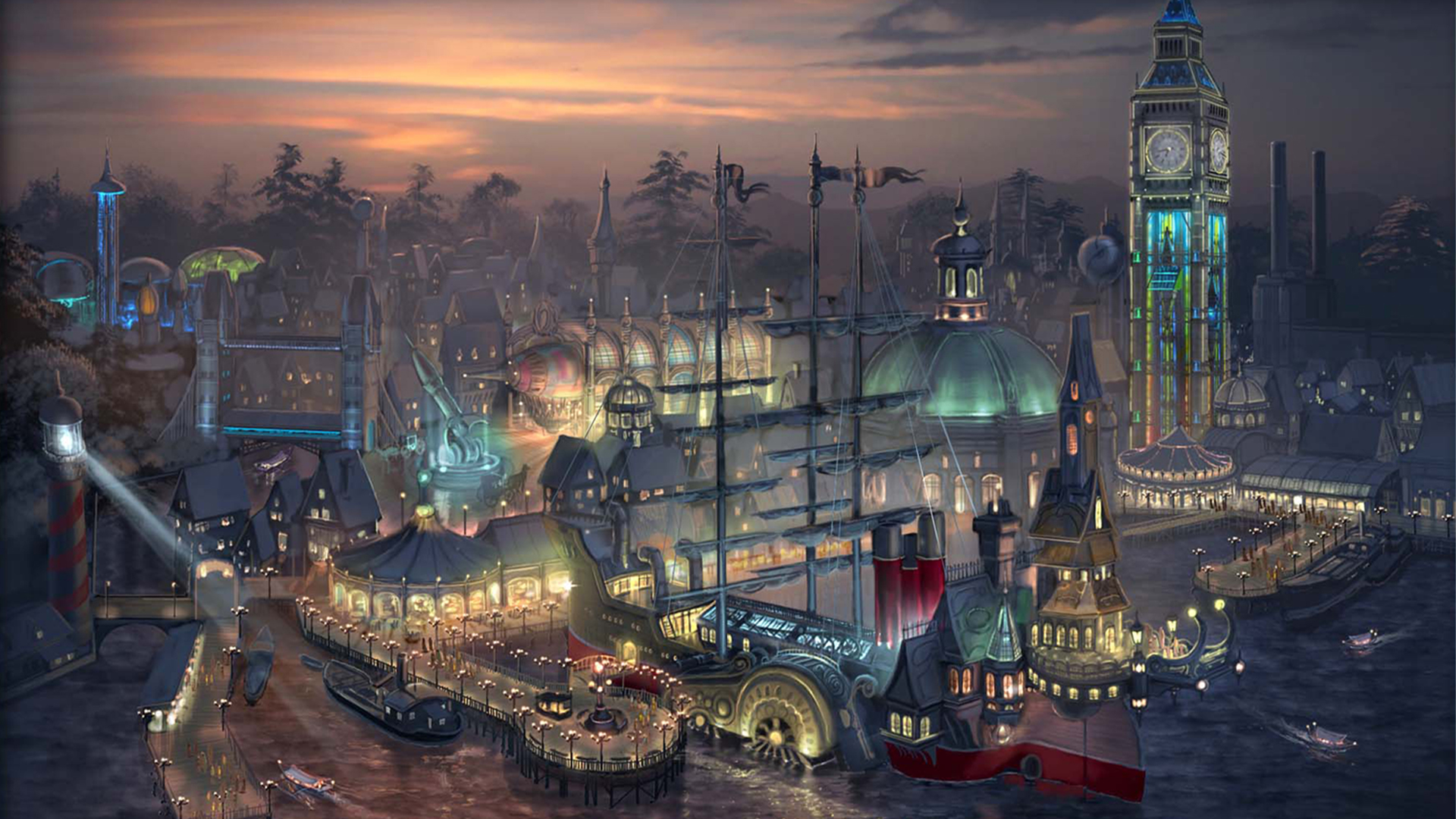
When done well, content master planning makes a space relatable and that much more enjoyable. It gives guests enough story to understand the place without overwhelming them with information. It also helps reinforce classic themed entertainment principles: know your audience, wear your guests’ shoes, create visual magnets, communicate with clarity, avoid contradictions, and keep improving the experience.
I would highly recommend reading “One Little Spark!: Mickey’s Ten Commandments and The Road to Imagineering” by Marty Sklar, that talks about these principles.
Why Constraints Can Make Better Design
Starting with a “green field” (new) site may be easier, but “brown field” (renovated) sites often create the most interesting design challenges. Constraints force creativity. Limitations force limitless thinking. And challenges creates the need for innovation. Good Planners should ask sharper questions, solve problems, and find ways to make memorable experiences. Good planners not only know how to use lemons to make lemonade, but we also can make lemon bars, lemon Jello or lemon posset!
Whether the project is new construction, an expansion, a retrofit, or a full repositioning, the best master plans do more than arrange buildings and pathways. They reconcile ambition with reality. They protect the story while making room for feasibility. They not only give guests a journey but also giving owners a destination that can function, grow, and succeed.
The Takeaway
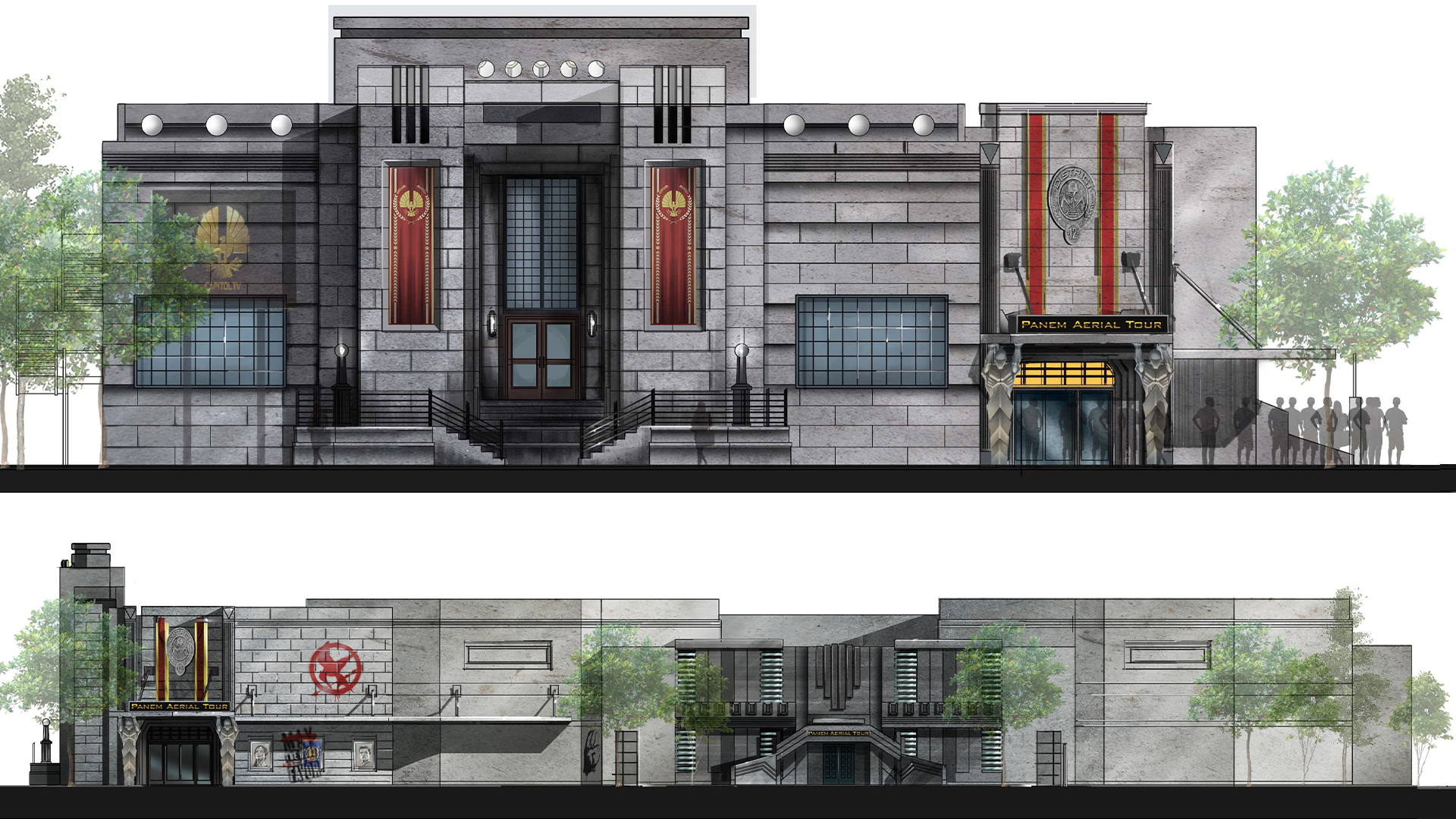
Master planning is not just the art of drawing a destination from an aerial view. It is the discipline of making a big idea feasible, buildable, operational, immersive, safe, flexible, and financially viable. It requires creative thinking, technical coordination, and a constant willingness to ask, “How do we make this better?”
For themed entertainment, that is the real magic of master planning: turning land, story, infrastructure, and imagination into a place guests can believe in.
Click here if you’re interested in our Master Planning services at Falcon’s Creative Group.
About the Author

Mark Spencer
Mark Spencer, an accomplished creative director and master planner, combines artistic creativity with business acumen in his captivating designs and unforgettable experiences. With a diverse background in entertainment and leisure development, Mark has a proven track record of success and has worked on both the client and designer sides of the business.