Top 10 Ways Digital Twins Are Creating Smarter, More Profitable Entertainment Destinations

From theme parks and resorts to immersive attractions and mixed-use developments, entertainment destinations are more popular than ever. As demand grows, so does the need for informed decisions when designing these experiences. That’s where digital twins come in. Having an interactive model of an attraction, destination, or facility lets owners and operators test scenarios, improve efficiency, reduce risk, and deliver better guest experiences. Here are ten ways digital twins create smarter, more profitable entertainment destinations.

1. Validate design decisions before construction begins

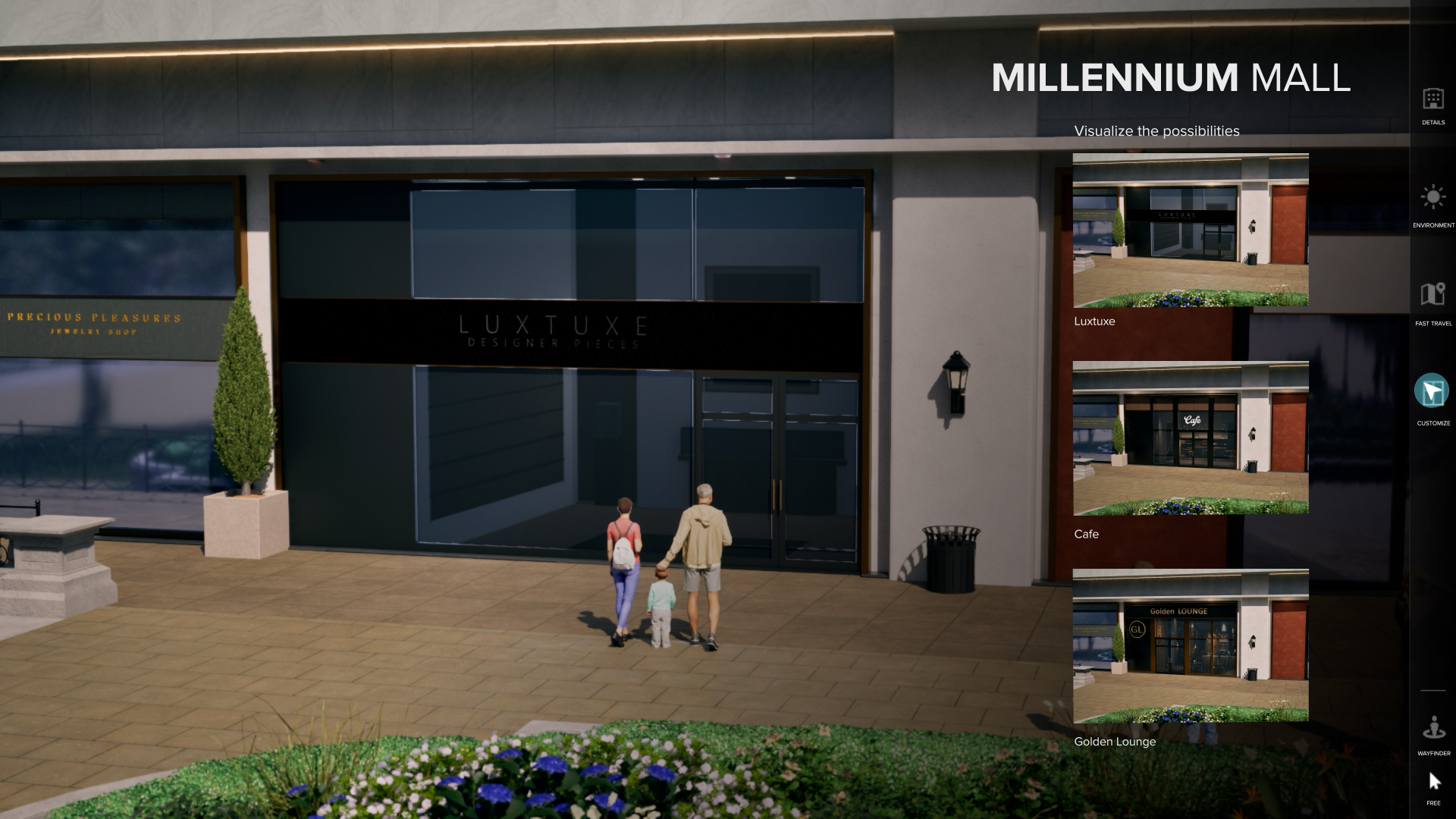
Digital twins eliminate the guesswork that comes with blueprints, architectural visualizations, 3D models, or even simulations. They empower clients with fully explorable worlds. Users can experiment with numerous options and understand the ramifications of each possibility within an interactive replica, producing a more effective way to review and approve creative. They function as a communication tool that increases decisionmakers confidence in their choices before moving forward.
2. Reduce costly design changes and rework

Major design revisions become significantly more expensive once construction begins. Since digital twins allow stakeholders to visualize and analyze how systems, spaces, and guest experiences interact, problems become more readily apparent and avoidable. Potential conflicts can be identified early, before physical work starts, helping teams make informed decisions when changes are still relatively inexpensive.

3. Optimize guest flow, capacity, and visitor experience

One of the most powerful uses for a digital twin is predictive modeling that simulates queue conditions, ride operations, guest arrival patterns, and loading procedures. Predicative modeling evaluates circulation patterns, identifies congestion points, and explores alternative layouts long before construction is complete. It enables digital twins to assess different scenarios and understand how adjustments may affect capacity before implementing them in the real world.

4. Improve construction accuracy and stakeholder alignment

At the construction phase, a digital twin serves as a comprehensive ground truth model. AR tools can help teams verify on site what’s being built against the digital model. The result is improved communication between stakeholders and greater accuracy.

5. Bring an architecturally accurate creative vision to life early in the process

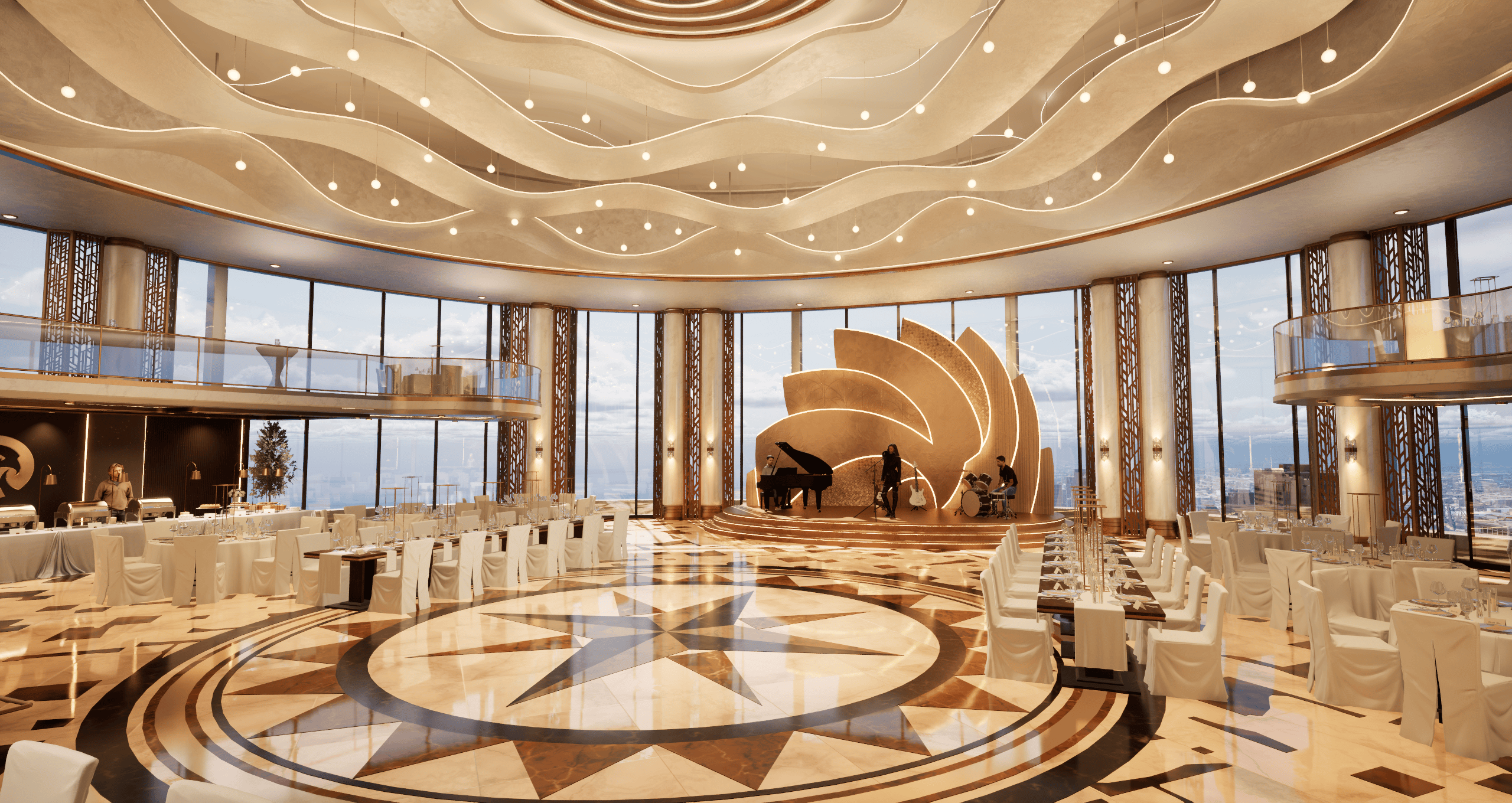
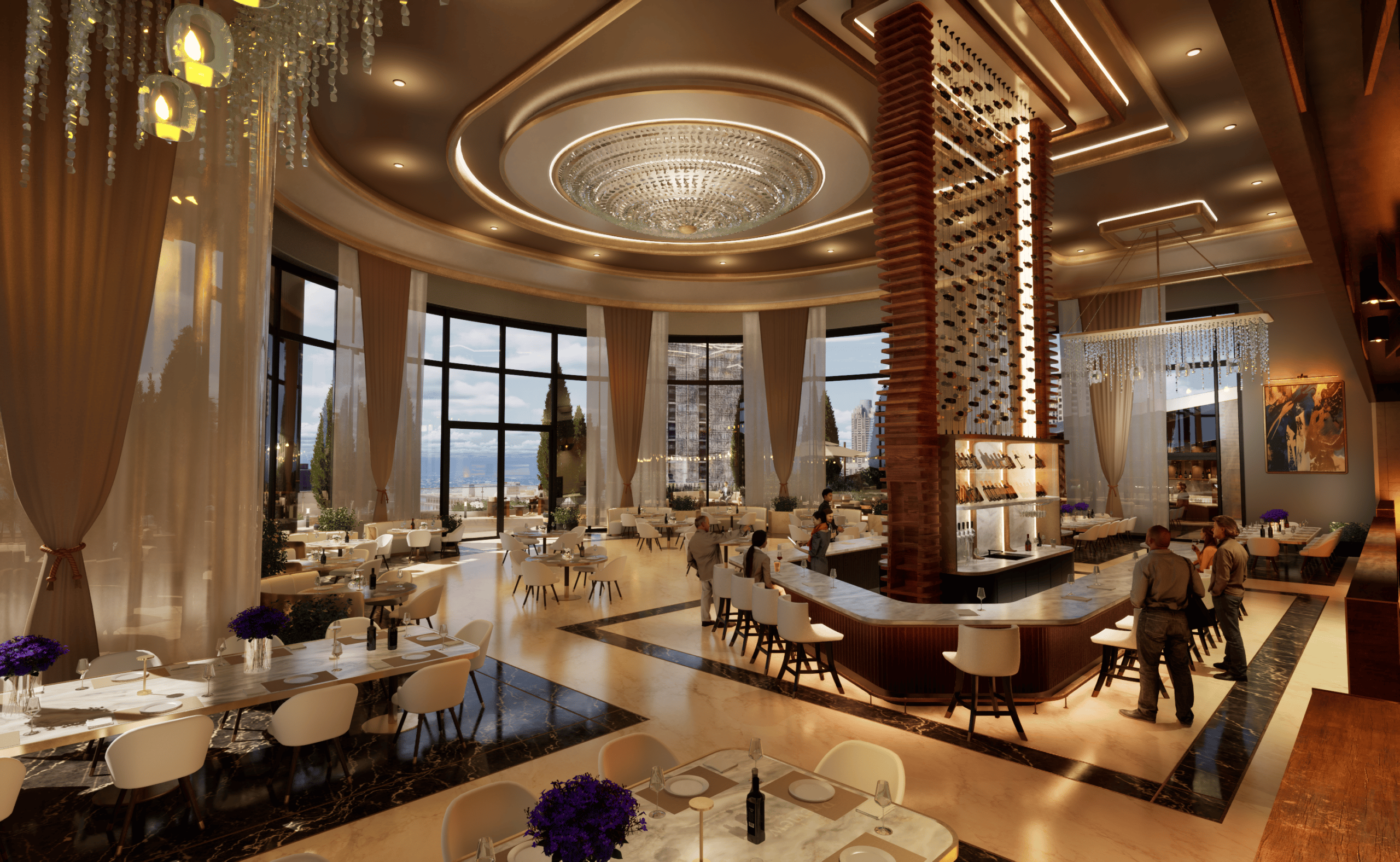
The ideal digital twin isn’t just a cold, architectural representation of a building. It showcases the artistry and essence that inspired the project. Adopting a creative digital twin from the onset helps to inform the later stages of BIM/Revit modeling once that effort is underway.

6. Enable immersive virtual tours before opening

Digital twins are an immersive, virtual space for potential guests, partners, and investors to explore before even breaking ground, allowing for feedback that can be incorporated in real time. This not only sparks improvements but builds excitement so others have a vested interest in the project’s success.

7. Power marketing, sales, and engagement

The same digital twin that eases development and reduces costly errors can power marketing and sales, helping potential partners and guests experience the project’s vision long before it’s built. From key art and social videos to trailers and virtual tours, the digital twin becomes a content engine that builds awareness and anticipation before opening day, extends the reach of the experience beyond its physical location, and continues supporting marketing and guest engagement long after opening.

8. Create interactive and gamified guest experiences

Digital twins can be used to create gamification that lets users download playable experiences before an entertainment destination is even built. Once the destination opens, users can unlock features in the game that trigger personalized live experiences during in-person visits. When they leave, they can continue playing the game, the physical and virtual worlds connecting and interacting with each other through the digital twin.

9. Enhance operational decision-making and performance

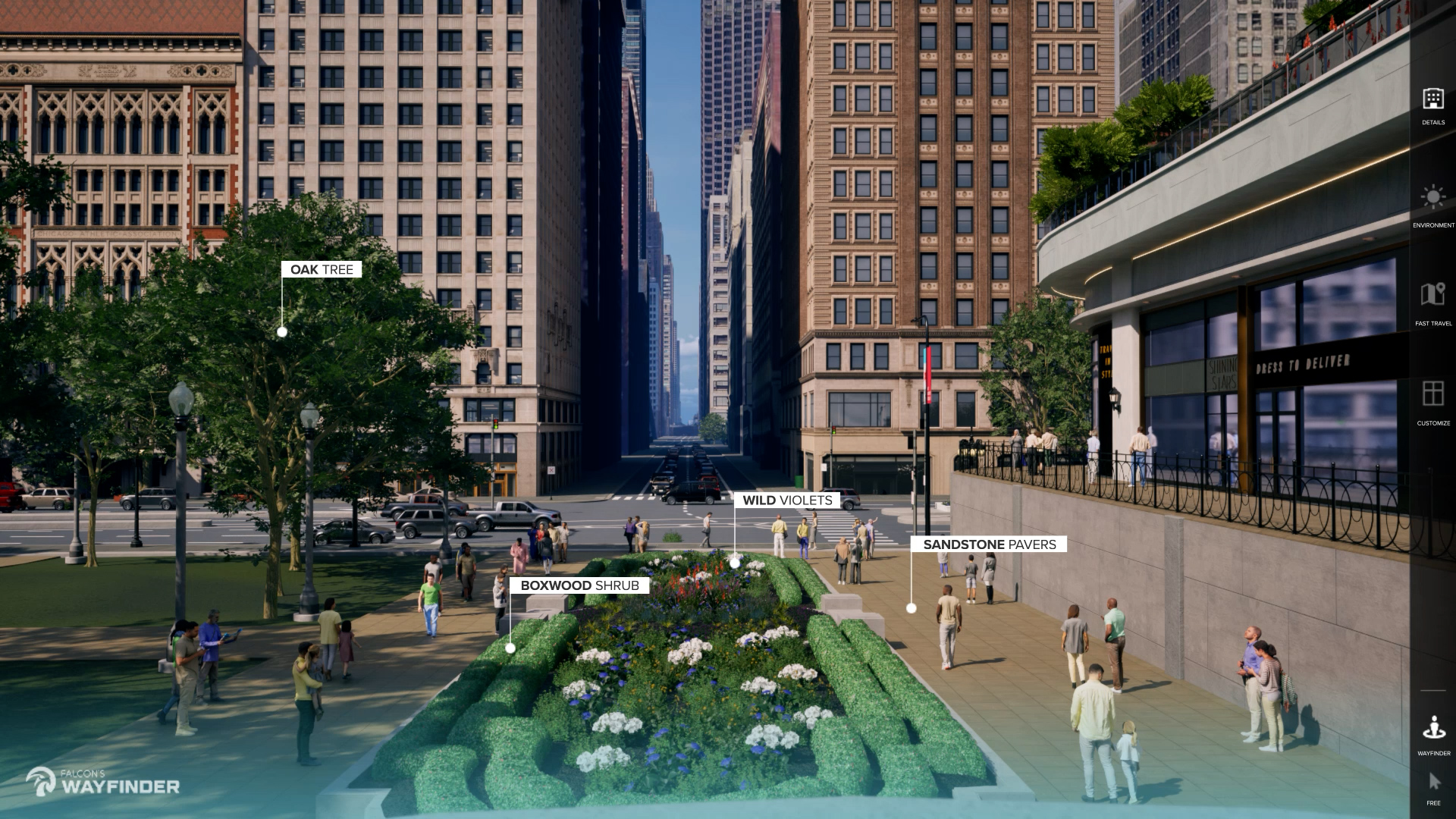
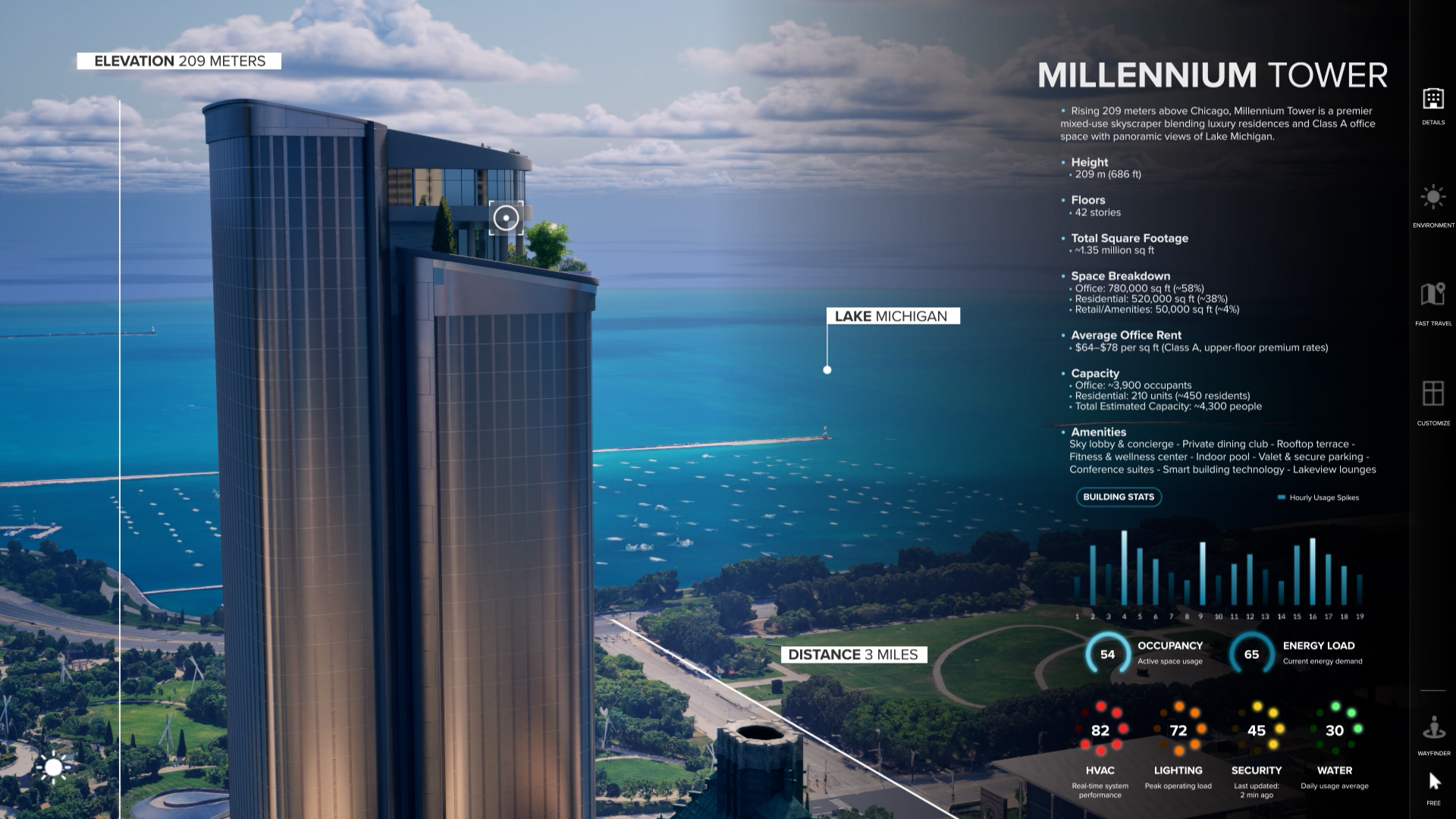
Digital twins help operators understand how guests interact with environments, attractions, and services. These insights inform everything from attraction scheduling and entertainment programming to dining strategies and wayfinding improvements. Whether adding a new attraction, expanding a resort, or developing an entirely new land, digital twins provide a framework for examining future growth scenarios. Stakeholders can assess operational impacts before committing significant resources.

10. Support predictive maintenance, safety planning, and future expansion

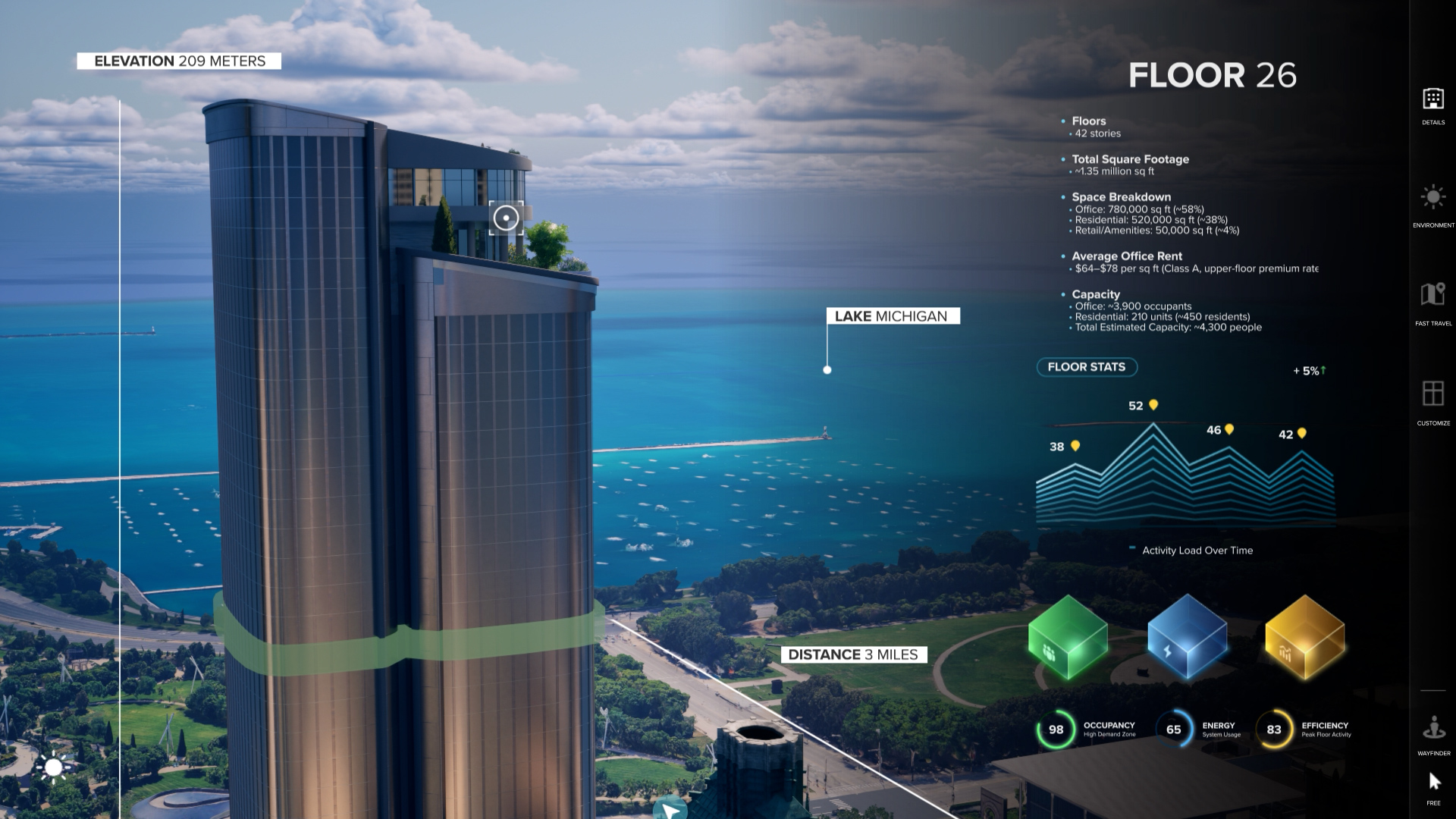
Unexpected downtime and safety issues can negatively impact both guest satisfaction and revenue. By integrating operational data and equipment performance metrics, digital twins can help identify maintenance needs before issues become major failures and enable teams to model emergency scenarios, evacuation routes, crowd behaviors, and operational responses in a virtual environment. These simulations can reveal vulnerabilities and identify opportunities to improve preparedness. They’re also excellent tools for planning future expansion.

A Planning Tool & Operational Asset That Evolves Alongside the Destination

A digital twin isn’t simply a planning tool. It’s an operational asset that evolves alongside a destination. As artificial intelligence, advanced analytics, and connected systems continue to mature, digital twins provide a foundation for future innovation. Organizations that invest today position themselves to continue operating more intelligently tomorrow.

Falcon’s Creative Group’s eclectic mix of cinematic artists, CAD techs, show set artists, and engineers makes us uniquely positioned to create digital twins that are not only architecturally accurate but artistic and visually compelling. This results in digital twins that serve double duty as compelling communication mechanisms and powerful design tools facilitating real-world construction. We help clients harness digital twin technology to reduce risk, optimize operations, and create exceptional experiences, turning insights into lasting business results.


Digital Twins FAQ

What is a digital twin?

A digital twin is a dynamic virtual representation of a physical asset, attraction, facility, or destination. Unlike a static 3D model, a digital twin can integrate real-world operational data to provide insights into performance, maintenance, guest behavior, and future planning.

How are digital twins used in theme parks and entertainment destinations?

Digital twins can be used to simulate guest flow, optimize attraction capacity, support maintenance planning, improve operational decision-making, experiment with expansion scenarios, and evaluate new guest experiences before implementation.

What are the benefits of a digital twin?

The primary benefits include improved operational efficiency, reduced project risk, lower maintenance costs, smarter capital planning, enhanced guest experience, and better long-term business performance.

Are digital twins only useful after a destination opens?

No. Some of the greatest value comes during planning, design, and construction. Digital twins allow stakeholders to analyze design decisions, identify potential issues, and test operational scenarios long before the first guest arrives.

How do digital twins improve profitability?

Digital twins help organizations make better decisions throughout the lifecycle of a destination. By reducing operational inefficiencies, minimizing downtime, improving guest satisfaction, and supporting more informed investments, they can contribute directly to revenue growth and cost savings.

Who should consider investing in a digital twin?

Digital twins can benefit theme parks, resorts, water parks, cultural attractions, mixed-use entertainment developments, immersive experiences, urban planners, real estate developers, and any destination seeking to improve performance, efficiency, and guest satisfaction.

Recent News

EnglishEspañol日本語简体中文