

Animation has existed in many forms throughout history.
Some art historians point to early cave paintings that show a series of images, thereby implying movement, as the birth of animation.
Many periods of human history later, as technological advances were made, inventors showed off their creativity with devices such as the magic lantern and the zoetrope. Not all inventions required hardware, so to speak, as John Barnes Linnett proved with his patented kineograph, otherwise known as the flip book, which doodlers across the world still utilize to pass the time.The introduction of animation into custom formats has created a more immersive experience for guests who yearn for a deeper level of engagement.
Instead of being limited to the screen that’s in front of them, viewers are now given the freedom to dictate their own experiences by determining where they want to look, presenting the possibility of enjoying a different experience each time. At Falcon’s, we are accustomed to creating custom content for a variety of experiences as well, including dark rides, simulators, domes, interactive experiences, augmented reality, virtual reality, and beyond.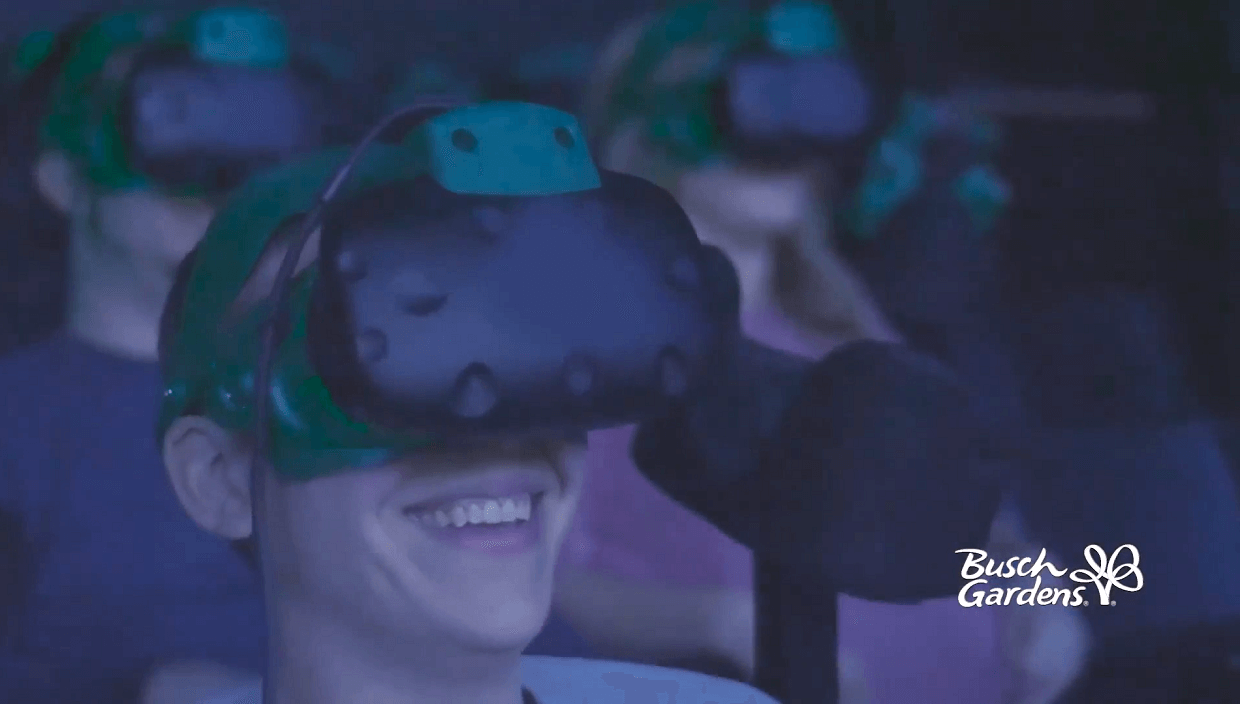
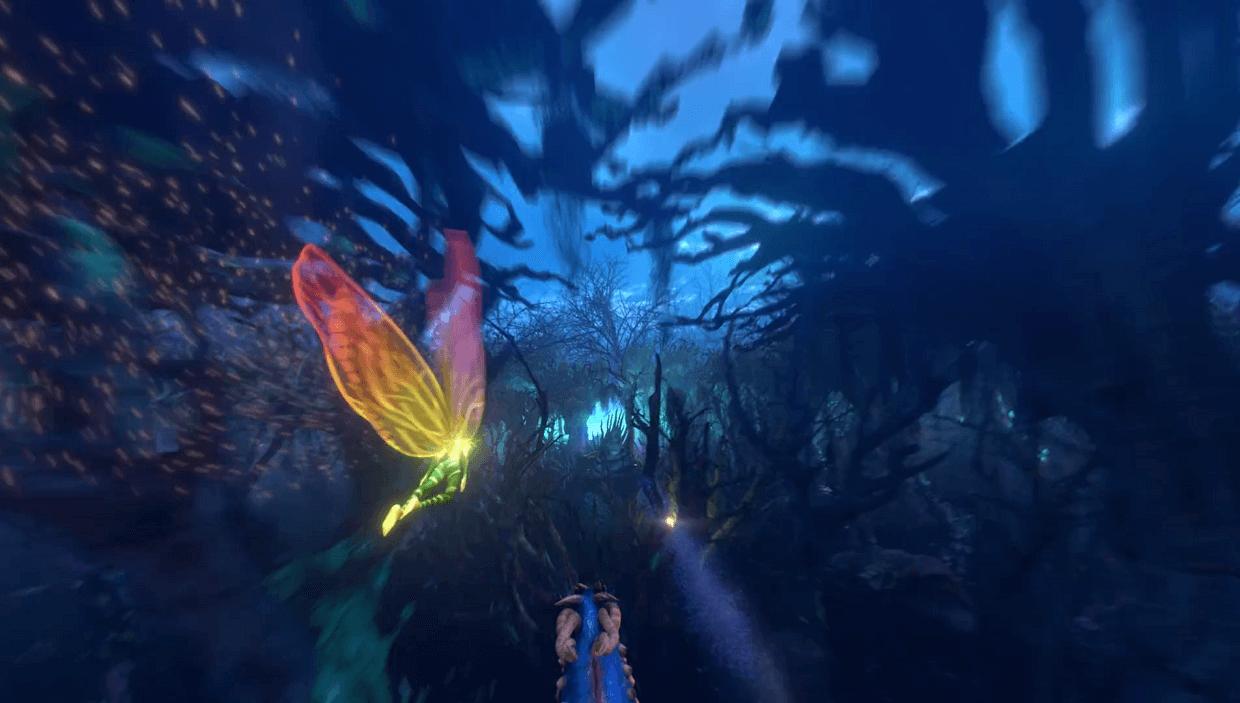
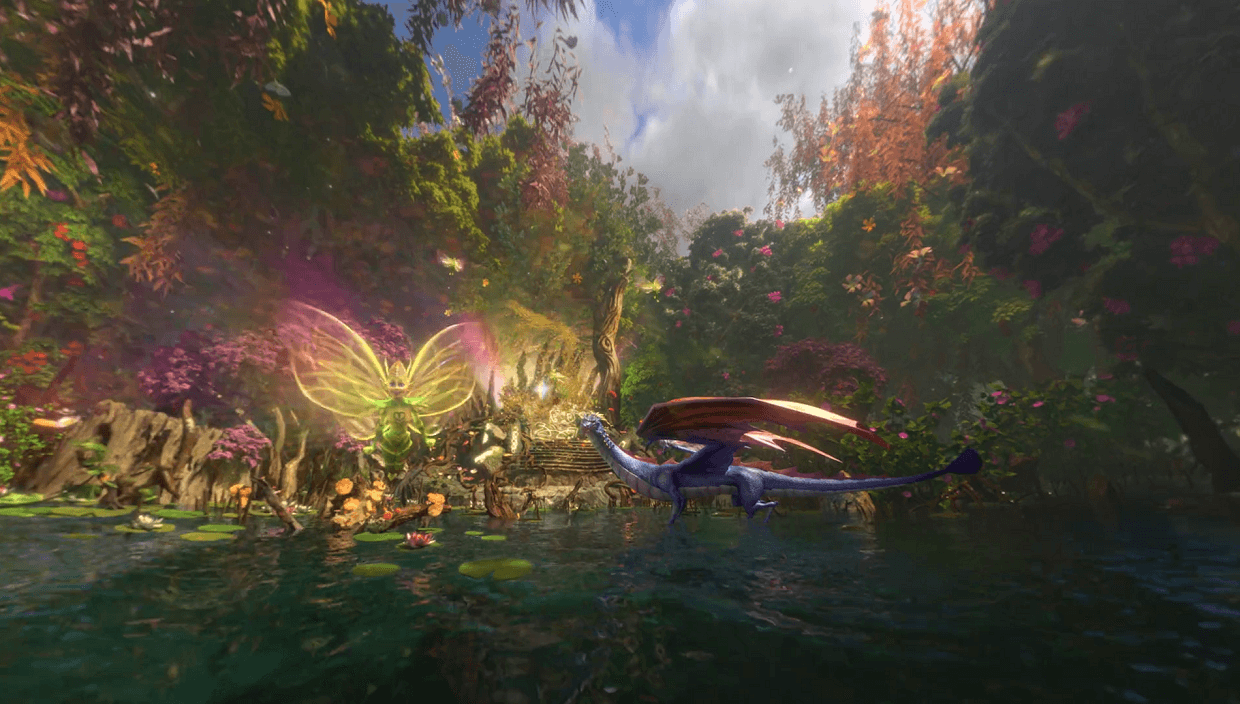
When creating content for a 360° venue, we need to make choices in every scene. Do we want to create a linear, narrative experience, or do we want to maximize the nature of the 360° venue by creating multiple points of interest in a scene?
By choosing the latter, the audience can have a completely unique experience depending on where they’re looking. The decision we make creates a drastically different approach to how the animator will choreograph the action. One of Falcon’s many 360° 3D projects, Hulk: Epsilon Base 3D at IMG Worlds of Adventure in Dubai, our first CircuMotion® Theater installation, showcases multiple points of interest by having Hulk and Iron Man fighting on opposite sides of the dome. Guests can ride once and watch Hulk, then go right back on and lock their focus on Iron Man. The choice is entirely up to the guest.Hulk: Epsilon Base 3D at IMG Worlds of Adventure in Dubai
At Falcon’s, we could take a more traditional film approach and break shots down to about 150 frames, but there are many cases where this is just not feasible, which is why we have to break down the media into “fake” cuts.
One way is to strategically hide the character behind something for a moment, thereby allowing us to switch to another animator’s content. Another option is to line up the last pose in a shot with the first pose in the next shot. Think of each frame as a drawing or “pose.” Most commonly in our work, there are 30 frames per second, so it’s as “simple” as making sure the first pose and last pose are exactly the same; the hard part is maintaining the momentum and consistency of both animations that came from two different animators. A great example of the latter technique in action is Falcon’s Digital Media’s work for the Jurassic Island superflume ride at Trans Studio Cibubur’s indoor theme park in Indonesia. The photorealistic, immersive VR film was formatted for a 270° screen and had zero camera cuts or hidden transitions. Shots often overlapped. For example, T. rexes and velociraptors sometimes had different end frames. The two stars of the show presented the biggest challenge: two massive T. rexes that could not be hidden behind any objects. The shot was too long for a single animator to handle within the project schedule, so we split the work between three animators, then stitched each animator’s shots together into a single minute and a half-long shot.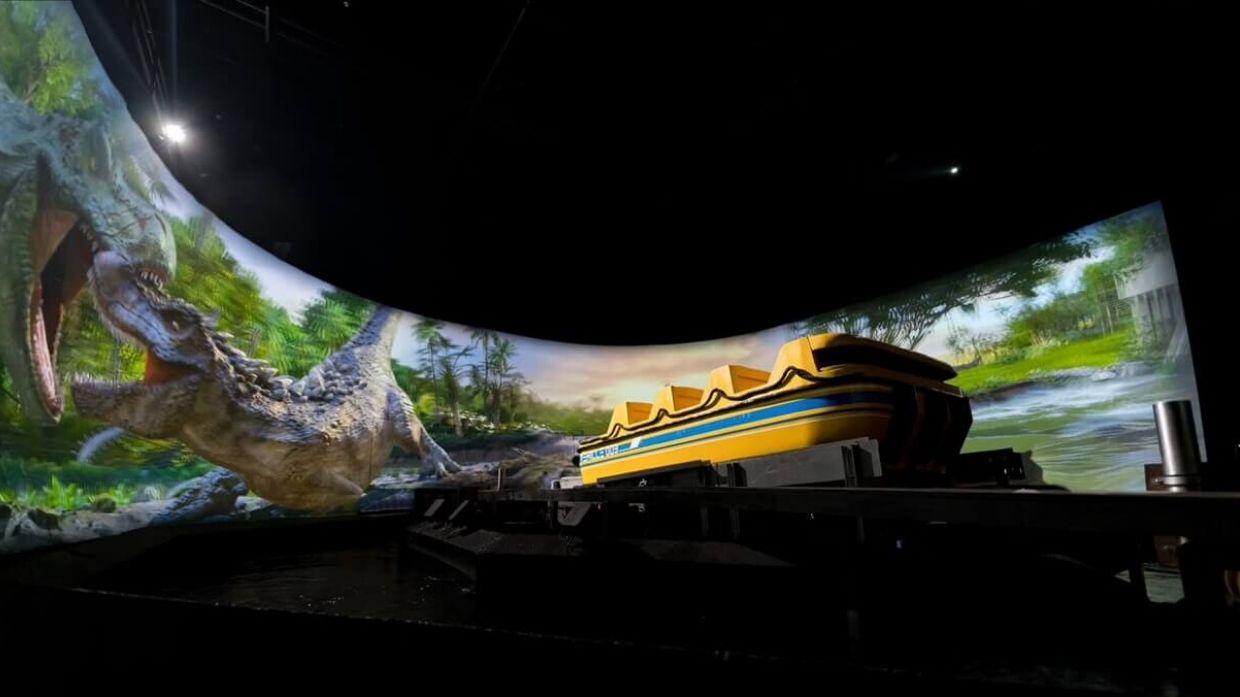
Falcon’s Digital Media has demonstrated its capacity to solve challenges time and time again with projects for a wide variety of clients and venues, putting us in a leading position in the market. It’s an exciting frontier to blaze. When you’re in the trenches, you can feel the ground shift under your feet as you help pave a new path.
It’s thrilling to see a project come together and know we’re one of the few companies that can execute something like it. Every project at Falcon’s is different, but that’s what makes it so rewarding. We are often asked to achieve something extraordinary, to test our own limits as animators, but when you know that the general public has never seen anything like the end result, it makes all the hard work and extra effort worth every click of the mouse. We can almost see Disney’s pioneers smiling over that one.