

Q: 2026 marks the first time TEA Inspire has been hosted in Orlando. Why make the move from its longtime home in California?
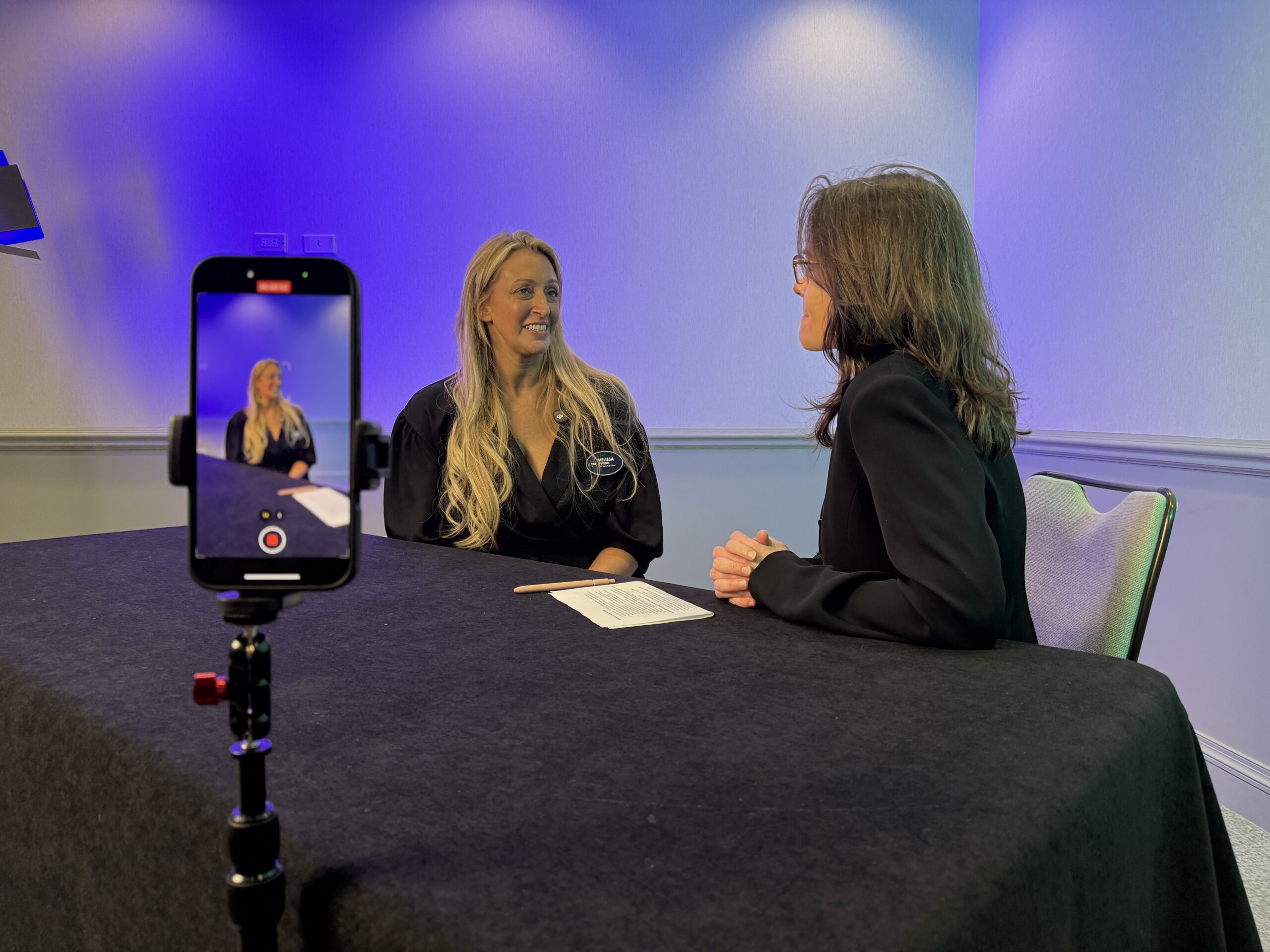
Melissa Oviedo: “We’re in our 32nd year for the Thea’s Gala, and it’s always been traditionally hosted in Hollywood or in Anaheim at the Disneyland Hotel. With the opening of Epic Universe here, which is really a once in a generation theme park being built here in Orlando and so much of the vendor and partner community being local, we felt it was only right to look at Orlando as one of our major creative hubs. And what better way than to bring Inspire here and to celebrate some of those projects, not just Epic Universe, but all of the amazing projects that are happening around the world”
Q: Inspire the Night was a standout event this year. What made it unique?
Melissa Oviedo: “We did a couple of really unique things this year. The first thing we did is we encouraged people to bring their teams, their families, their kids, because so much of what we do is poured into these projects that we want to not only celebrate with the industry, we want to celebrate with those who support us”
She continues, “The other thing we did… was creator chats. We took the Q&A out of the ballroom and put it directly into each of the attractions; in particular, Monsters Unchained and The Ministry of Magic. We were able to put the creators into those experiences… and answer questions right inside of the experience.”
Q: Epic Universe earned four Thea Awards this year. What does that, and other award-winning work, say about the direction of the industry?
Melissa Oviedo: “Innovation is a word that we all love to use, but innovation is hard. Emerging technology is hard to do.” She explains, “What we’re seeing is that this collective community coming together getting ideas, learning from each other, is so core to continue to press those boundaries and keep pushing on innovation and technology. And how you do that is you come together, you collaborate with the best people in the world who know how to get this done, and you make something magical happen. I think that’s what Inspire is all about.”
Q: The State of the Industry panel featured a strong lineup. What guided your speaker selection?
Melissa Oviedo: “Each of the speakers represents a little bit of a different lens within the industry… some from the creative design standpoint, running a business, some about global growth and brand activation.”
“These are real leaders in our worlds that have the same challenges but the same opportunities.”
Q: What do you hope attendees take away from TEA Inspire?
Melissa Oviedo: “We want you to leave inspired. We want you to leave thinking maybe a little bit different about a problem or maybe a solution.”
She adds, “We want you to feel connected… immersed into this amazing industry… and maybe that brings a renewed energy… because this is really where it starts.”
Q&A with Sean McCoy of Imagine: The Human Element in a High-Tech Industry
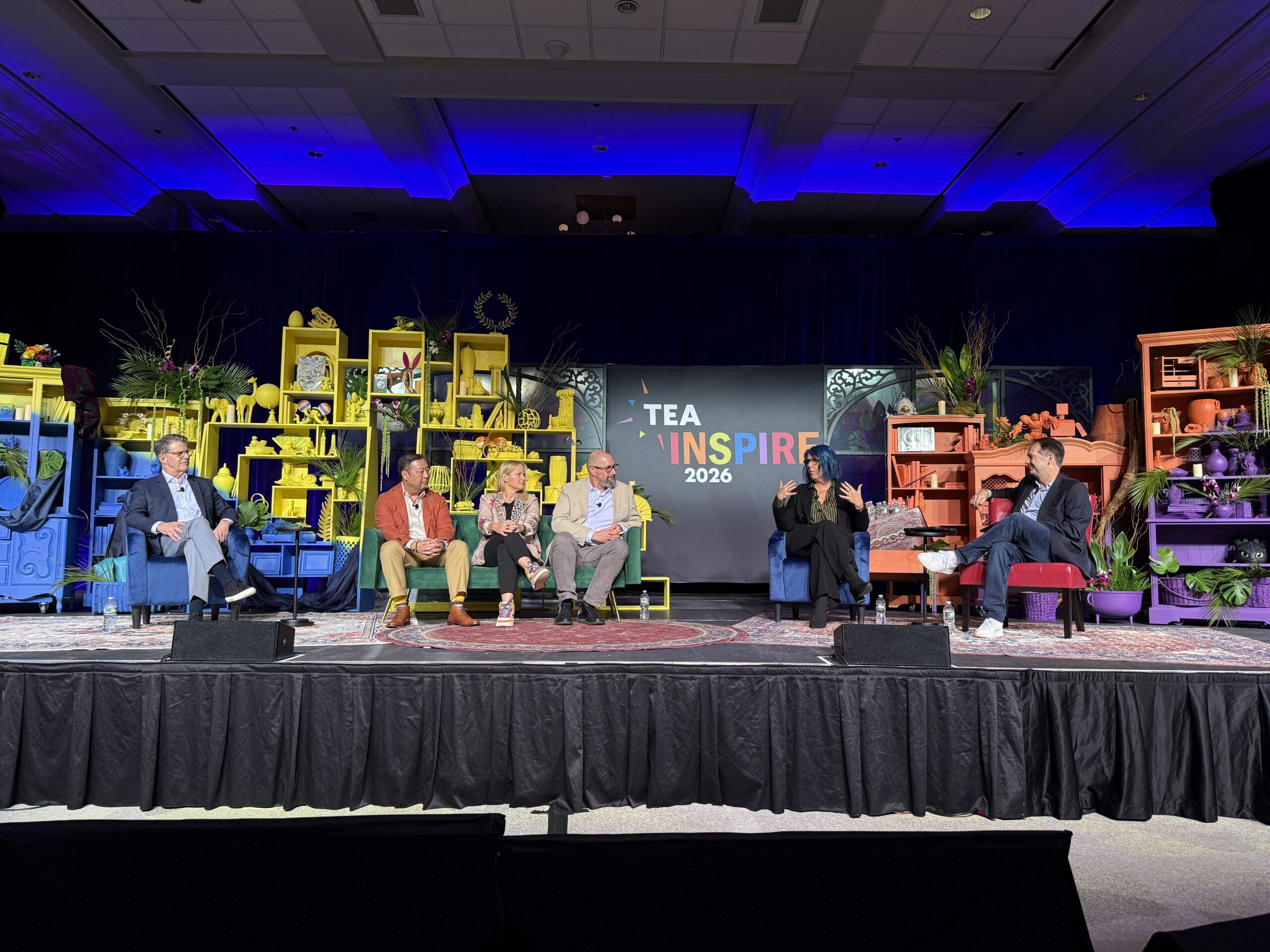
Q: You just moderated the State of the Industry panel—what were your biggest takeaways?
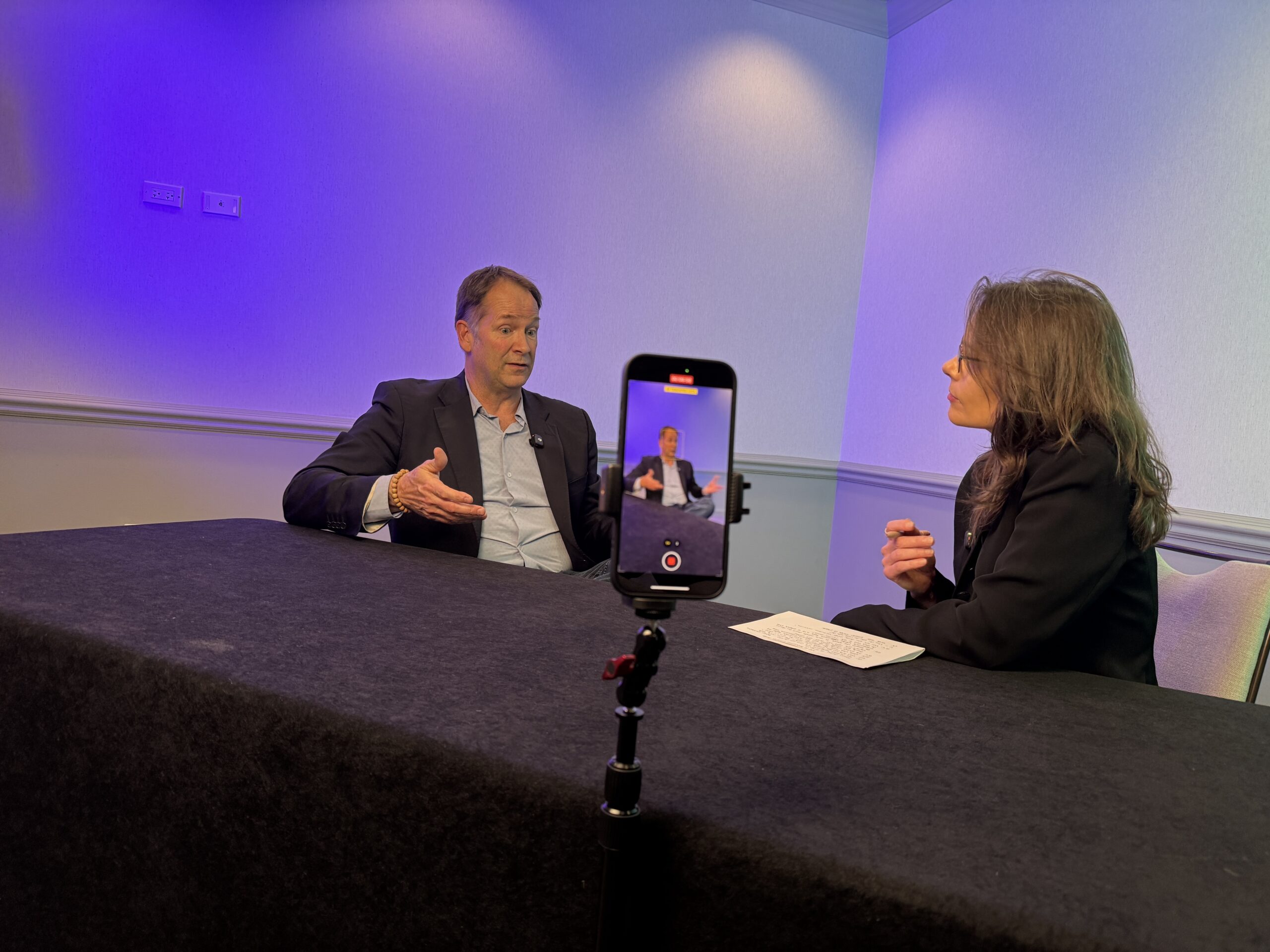
Sean McCoy: “First of all, it was an amazing panel. We had Disney and Universal. We had Cecil, obviously from Falcon’s. We had Jen from Lionsgate, and we had Andy from Herschend. I’m just really grateful that they all made time to participate.”
He adds, “One of the key takeaways is that we’re all wrestling with that balance between technology and being more human.”
“Even though we continue to raise the bar as far as the level of immersion and interactivity and technology, it really comes down to the human element and having this one-on-one interaction like we’re having right now.”
Q: Can you share a bit about your career journey into themed entertainment?
Sean McCoy: “I was born near Cincinnati… graduated from college and became a banker of all things.”
But that quickly changed: “I just… want to be around creative people. I want to be something different every day.”
After connecting with industry leaders, he recalls, “I interviewed with them… and I’m like, that’s what I want to do… this is what I want to do the rest of my life.”
He spent nearly three decades building that career before taking on a new chapter: “Three years ago, I came over and basically created the studio at Imagine… we do permanent museums, brand experiences, and even theme parks now.”
Q: What excites you most about the current state of the industry?
Sean McCoy: “I said this a couple of years ago, and now I’m going to say it again. I think we’re at the golden age of the themed entertainment industry, because there really are no limitations anymore. From a technology standpoint, through the use of AI, these amazing robotics, like the walk-around characters for Olaf that looks like he just came off of the screen…or the great media that you all do. Through technology and through the popularity of themed entertainment and all that great content, we can do anything. I’m inspired by the opportunity to do anything.
Q: What trends are shaping the museum sector right now?
Sean McCoy: “What themed entertainment does so well is world building, and that’s what they’re doing in a museum. They’re telling real stories in a more theatrical way”
“When I was reading up on some of the Thea Award winners for this year I found that they have a gift of distilling information and very complex topics. Taking these complex topics and distilling it down for everybody, children especially. So that’s a special talent.
I mean, we are all really just storytellers, and we’re taking those stories and we’re translating those into environments and characters and media and lighting, and so that we are creating those worlds where we’re immersing guests within all these fantastic stories.
Q: What questions do you hear most often from media about the industry?
Sean McCoy: “They ask a lot about technology and how that’s going to impact what we do… specifically AI.”
He notes differing perspectives: “A lot of us use AI every day as a tool, but there’s those who question whether it’s going to make us obsolete. On the other camp, I think it’s a tool that makes us work more efficient versus replacing us. ”
Another major topic is accessibility: “There’s a lot of talk about economics… how do we make sure that everyone can have access to these great experiences?”
Q: Why is supporting the next generation of talent so important?
Sean McCoy: “What’s interesting is we’re seeing a boom of new projects that are in development that we need the talent, right? So, we need to cultivate that talent because they can go into other industries. Creative talent is a resource that we’re going to need in the future, so we need to cultivate that.
He emphasizes the power of connection: “Everyone really just wants everyone to succeed… it really is about just getting out there and meeting folks.”
Reflecting on his own start, he says, “That led to this 30-year-plus career… so it’s important that we get the talent and… support the talent because that’s how we got a lot of starts.”
Q&A with Marc Zachary: Defining Excellence in the Thea Awards
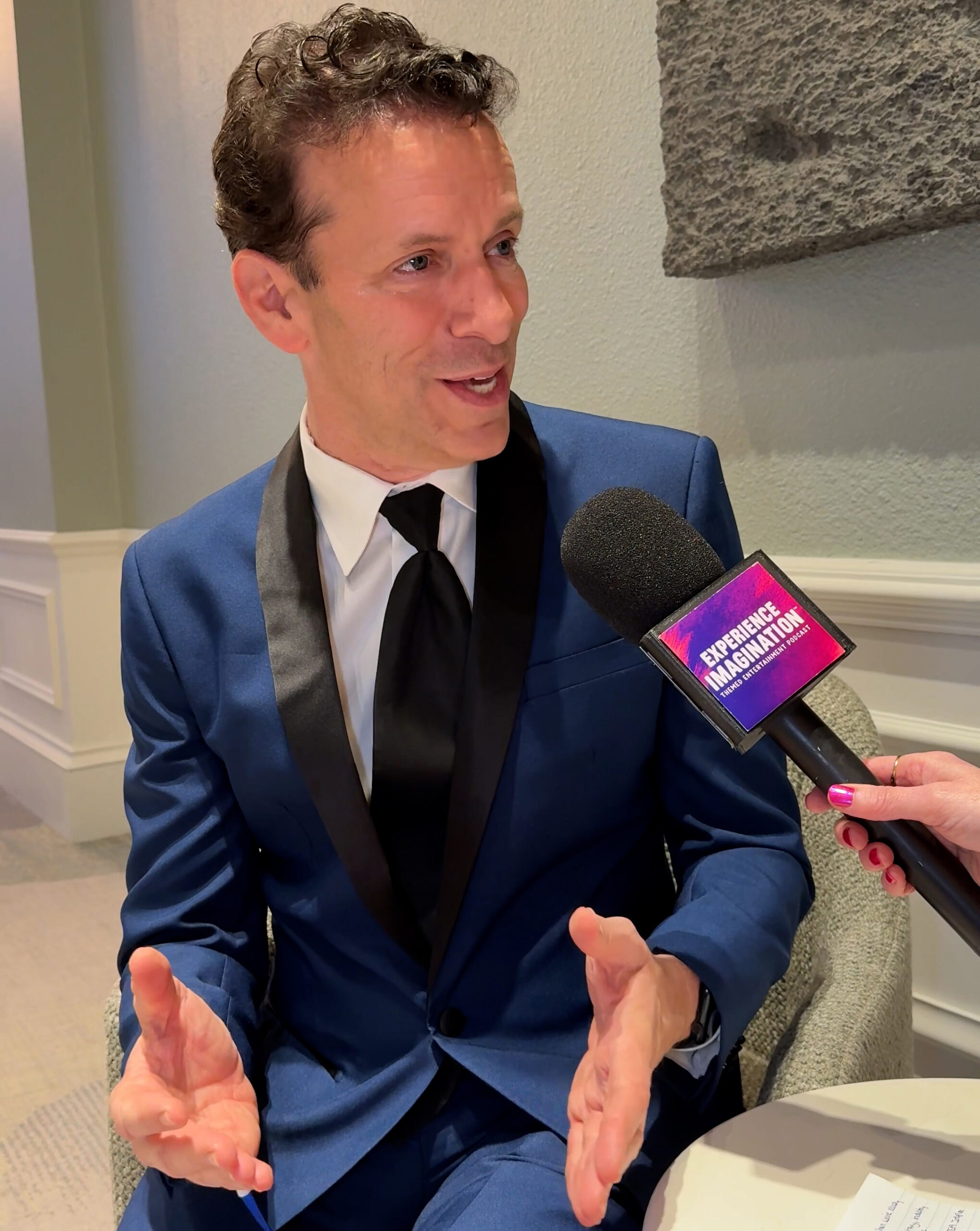
Q: What is your connection to TEA and the Thea Awards?
Marc Zachary: “I’ve been a TEA member for many years, even before I was in the themed entertainment business, I used to come to this conference because I wanted to learn about the business.”
Today, his role is central to the awards themselves: “Now I am the chair of the Thea Awards judging committee that chooses all of the Thea Awards that will be honored this evening.”
Q: In your view, what is the Thea Awards Gala all about?
Marc Zachary: “More than anything, it celebrates excellence.”
He explains, “There are many wonderful attractions that open each year but we’re really looking for something that is extraordinary, that raises the bar, that is innovative, that has an incredible guest experience.”
“It doesn’t have to be doing something new, but anytime that we see something that’s really taking this industry and the guest experience forward, that is certainly part of the calculation.”
Q: What advice would you give teams submitting for a Thea Award for the first time?
Marc Zachary: “I would recommend to start thinking about it early we often get a lot of submissions coming in the last week.”
Preparation is key: “One of the most important things is the 3–4 minutes video, something that really tells the story of the experience.”
And importantly, “It should not just be a promo piece… we really want to understand what the experience is like and what makes it special.”
Q: Where do you see opportunities for growth in themed entertainment?
Marc Zachary: “There’s so much innovation in theme parks… but I do love focusing on little things that can make a difference.”
He points to an unexpected example: “When Pokémon Go first came out there would be hundreds or thousands of people just playing. We have these attractions that cost millions, but people were having a great time just going around and playing this little game.”
“I think there’s an opportunity to create experiences that don’t necessarily cost a lot of money, but can really be fun for the guests.”
Q: What do the best theme parks consistently get right?
Marc Zachary: “The top theme parks are really focused on delivering a great guest experience for people of all ages, backgrounds, abilities.”
He notes that great parks think holistically: “They really think very deeply… how do we make this a great experience for everyone whether it’s a two-year-old or a 90-year-old.”
And it’s not just about rides: “Sometimes people don’t go on rides, they’re interacting with characters, seeing a show, having something delicious to eat or taking great photos.”
“People love theme parks for different reasons, and the great theme parks make sure that they accommodate and cater to all of those people.”
Q&A with Russell Alexander: Bringing Hobbiton to Life
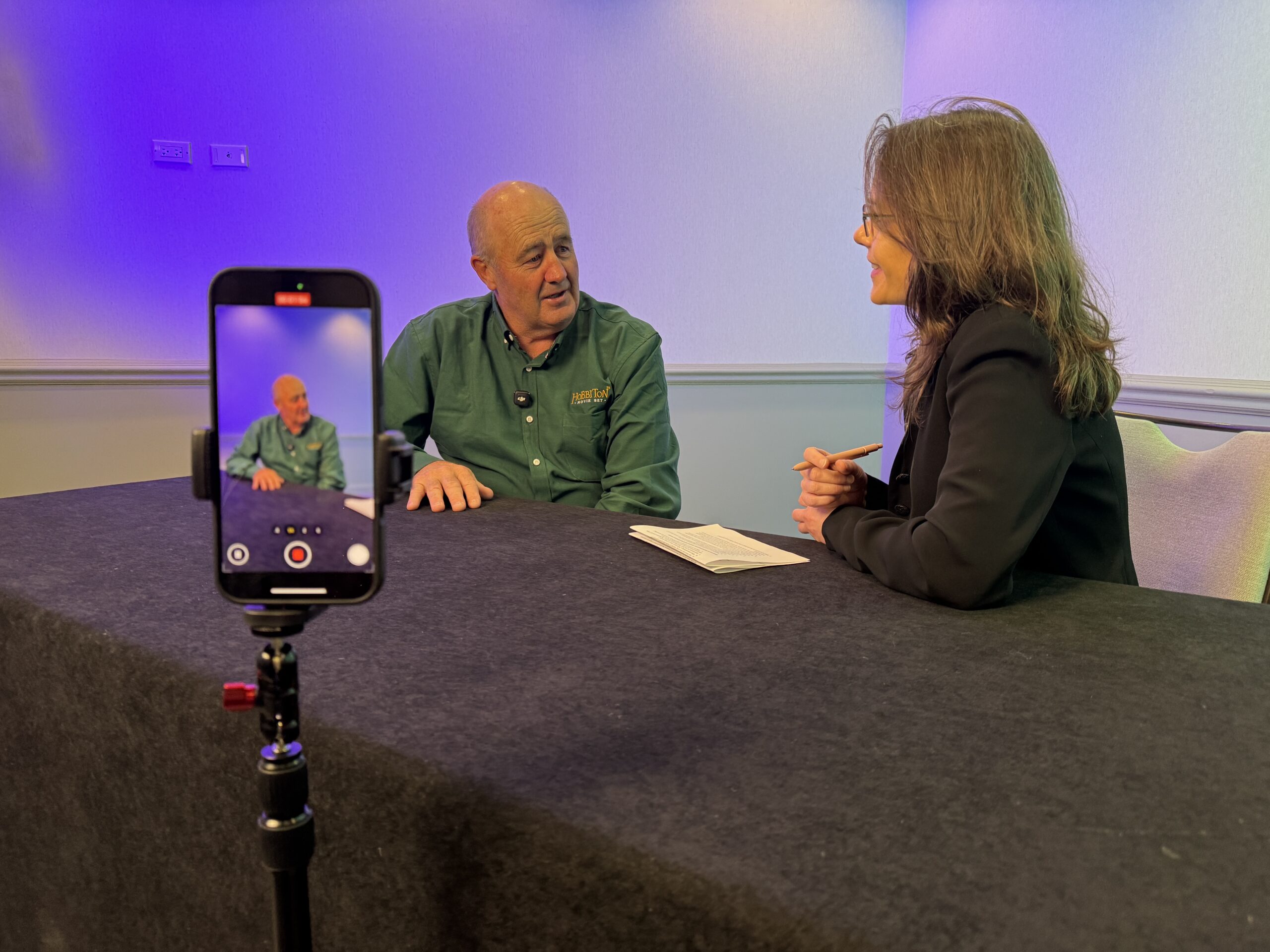
Q: Can you tell us the origin story of Hobbiton and how it all began?
Russell Alexander: “The movie is actually set on my family farm. My father’s a sheep and beef farmer and we arrived in the area nearly 50 years ago and one day we got a knock on the door from a scout. He’d flown over and seen the lake and the party tree and the whole rural setting was what they were after for this tranquil spot for Hobbiton and the Lord of the Rings”
What started as a film set soon became something more: “Once the movies came out, we had just strangers… knocking on the door, can we go out and see where the filming was?”
Q: When guests step inside the Hobbit holes today, what do you want them to feel?
Russell Alexander: “Basically how a Hobbit would really live, we tried to make it as realistic as we could.”
“We had this creative license to make our own inside Hobbit Hole interpretation… but keeping it consistent. Guests walk in a little passageway and through the doorways they have to duck to get through there a little bit lower. And there’s roots coming down with the illusion that there’s a big stump outside, so it looks like it’s meant to be there and there’s lots of detail that we’re very proud of.”
Q: Why do you think this project resonated with the Thea Awards judging committee?
Russell Alexander: “I think it’s the quality, attention to detail and the authenticity.”
“And I think the scale and just being 100% true to the best we could be… it’s taken people to another world.”
Q: What was Peter Jackson’s reaction when he experienced Bagshot Row?
Russell Alexander: “It was very humbling because he was like a kid… and joked and was very jovial and happy.”
“We thought, we’ve sort of got this right when you get his tick of approval.”
Q: How do guests typically react after visiting the Hobbit holes?
Russell Alexander: “There’s not a lot of words spoken… you can tell, man, we’ve enjoyed that.”
He explains the emotional goal: “We want it just to feel like the hobbits that live there have just popped out and they might pop back in any moment.”