
Fear Can Be Fun
Here’s the twist: Scott was terrified of haunted attractions as a child.
“I was one of the biggest chickens in the world,” he recalled, admitting that he once rode Disney’s Haunted Mansion wedged between his parents with his eyes closed.
Eventually, that fear became an advantage.
“I know what it feels like to be scared, so therefore I know how to scare other people.”
For Scott, fear is also about contrast. The adrenaline, anticipation, and eventual relief are part of what makes haunted entertainment enjoyable. As he put it, “If you never experience fear, I don’t think you’ve ever fully experienced joy by contrast.”
Great Immersion Gives the Guest a Role
The word immersive gets used frequently in themed entertainment, but Scott has a very specific definition.
For an experience to be truly immersive, he believes the guest should become a character in the story, and their actions should impact, or at least appear to impact, what happens next.
That philosophy came to life in The Vault of Souls, an experience Scott helped create inside a historic 1920s bank building in Tampa.
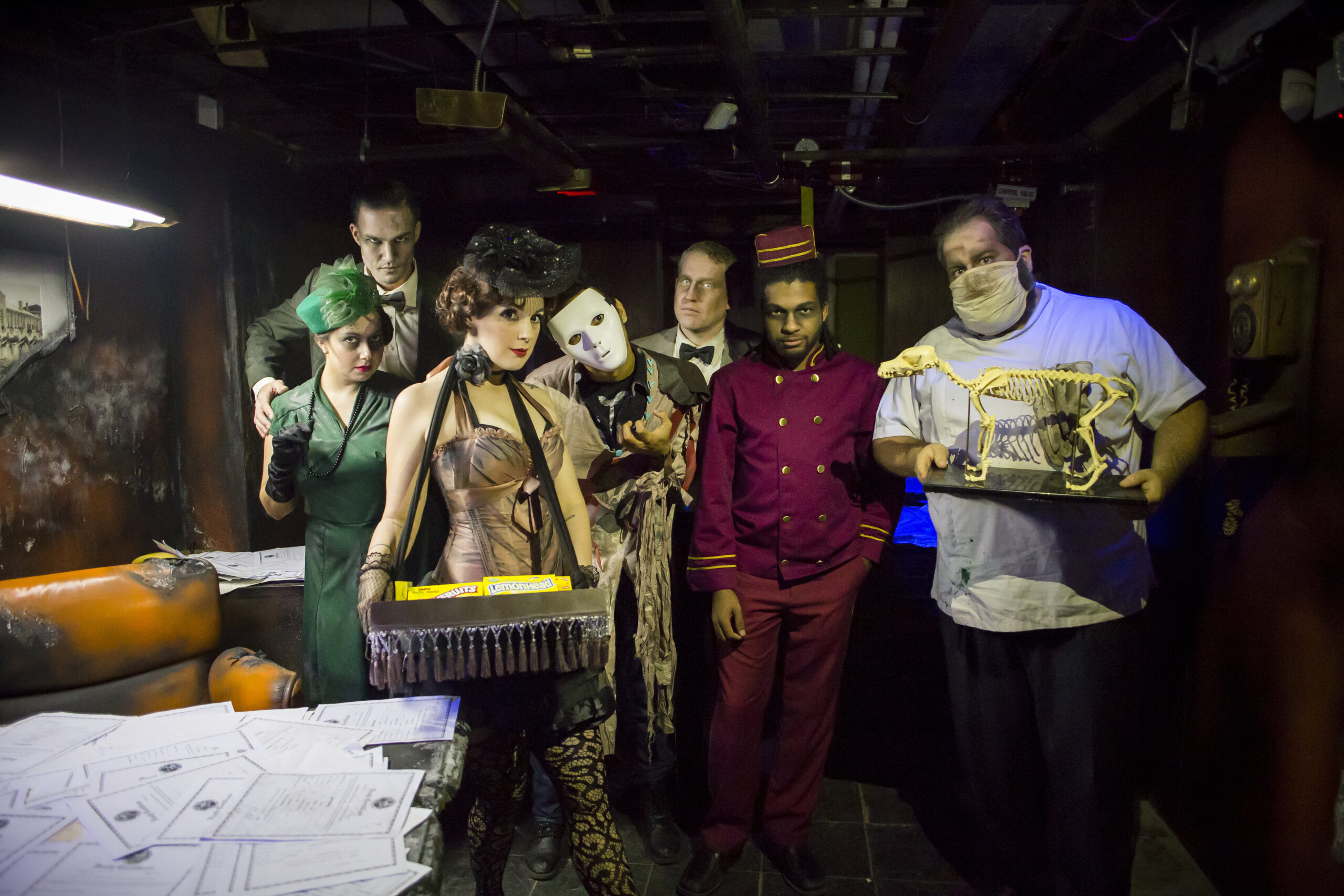
Rather than following a predetermined path through a traditional haunted house, guests explored a nonlinear environment and interacted with its characters to uncover clues. Their participation wasn’t an extra layer added to the attraction. It was necessary to move the story forward.
The result was something closer to stepping inside a story than simply watching one unfold.
Whatever You Do, Follow the Story
One of Scott’s biggest rules for creating haunted attractions is surprisingly simple: stay true to the world you’ve created.
A terrifying character isn’t necessarily effective if that character has no reason to exist within the story.
Scott jokes that an early working title for his book Follow the Story was Where the Hell Did That Clown Come From? The idea came from seeing creators insert frightening imagery, particularly clowns, into attractions simply because people find it scary.
His advice? Don’t force a scare into an experience just because it works elsewhere.
The moment a performer or design choice breaks the reality of the world, the audience is reminded that they’re inside an attraction. And once that happens, some of the magic disappears.
You Don’t Need a Huge Budget to Create a Great Scare
Some of Scott’s favorite design tricks rely less on expensive technology and more on understanding the senses.
Old artificial Christmas trees, for example, can become the branches of a pitch-black forest. Fake insects paired with pistachio shells underfoot can create the uncomfortable sensation that guests are stepping on bugs. Even a feather brushing unexpectedly across someone’s head can generate an enormous reaction.
The lesson isn’t simply to find inexpensive props. It’s to design for imagination.
Give guests just enough sensory information, and their minds can often create something far more frightening than anything a designer could physically build.
Great Scare Actors Know How to Listen
For Scott, performers can make or break a haunted attraction.
He looks for people who take the art of haunt acting seriously without taking themselves too seriously. A great performer needs to understand character and story, but also needs the ability to read a group and react in real time.
Sometimes, the simplest observations create the biggest scares.
Scott trains performers to listen for guests using one another’s names. If someone calls out “Audrey,” for example, a character somewhere ahead can suddenly begin whispering Audrey’s name from the darkness.
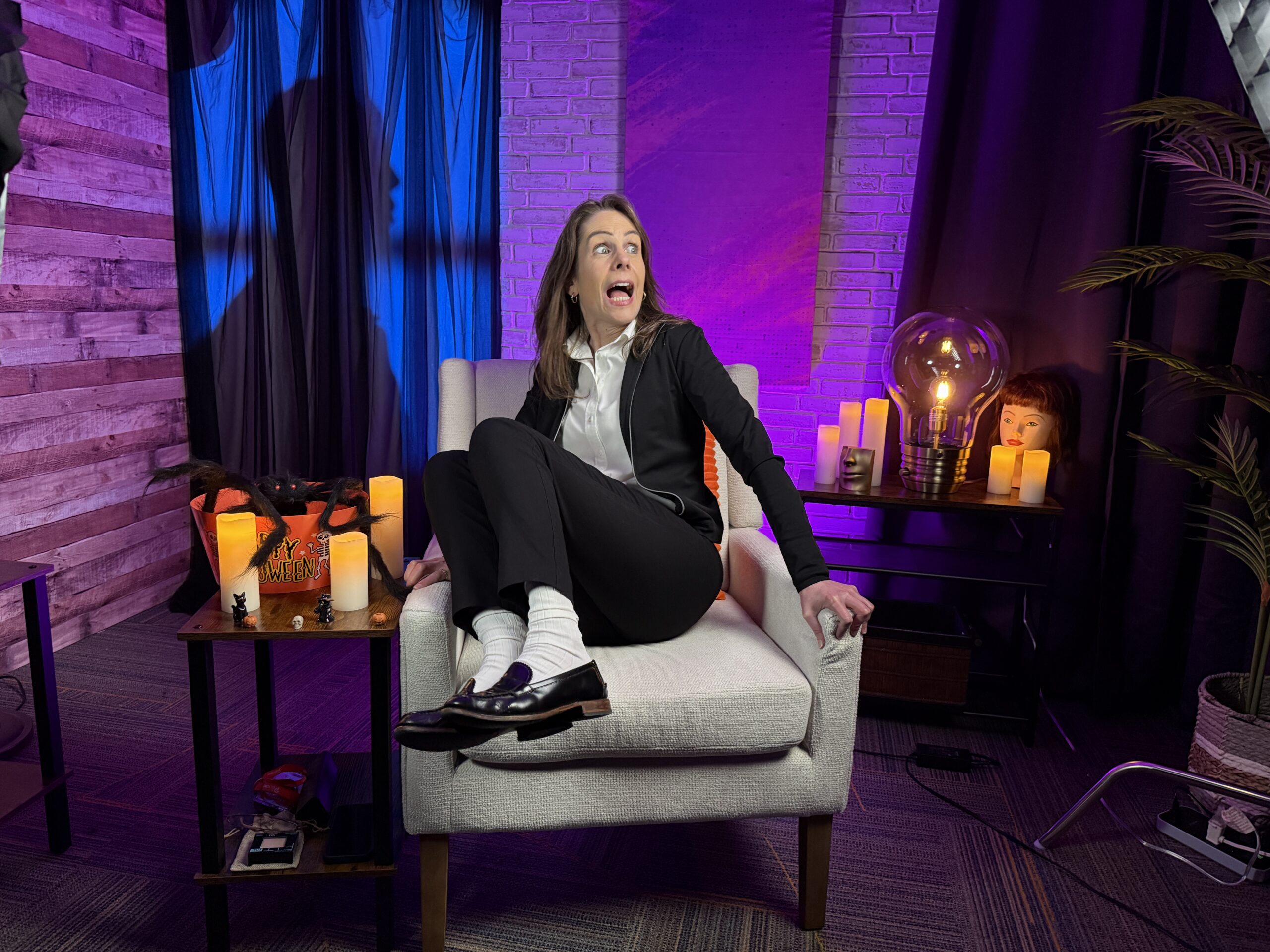
Instantly, the experience feels personal.
“A good haunt actor can scare the same person three times,” Scott said.
Ultimately, The Product Is the Memory
Perhaps Scott’s most compelling observation applies well beyond haunted attractions.
“In the entertainment industry, our product is memories.”
Sets, effects, performers, technology, and storytelling are ultimately tools for creating something guests will remember and retell.
When audiences are given an opportunity to participate in the experience rather than simply observe it, the story becomes even more powerful.
Because at that point, as Scott explained, “It becomes their story, not mine.”
And whether you’re designing a terrifying haunt, an immersive attraction, or an entirely different kind of themed experience, that may be one of the most important creative principles of all.
Hear More from Scott Swenson
Listen to the full Experience Imagination conversation for more stories from Scott’s career, including the creation of The Vault of Souls and Terror Roulette, lessons from Howl-O-Scream, advice for aspiring haunt designers, and even a haunting sonnet dedicated to one of Orlando’s most infamous sources of fear: I-4.
You can visit Scott’s website to see everything that he’s been up to!