
What happens when an artist, a jigsaw, and a pile of scrap plywood collide? In Mike Bennett’s case, the answer is a growing collection of immersive attractions that have delighted hundreds of thousands of guests while proving that creativity and community can be just as powerful as big budgets.
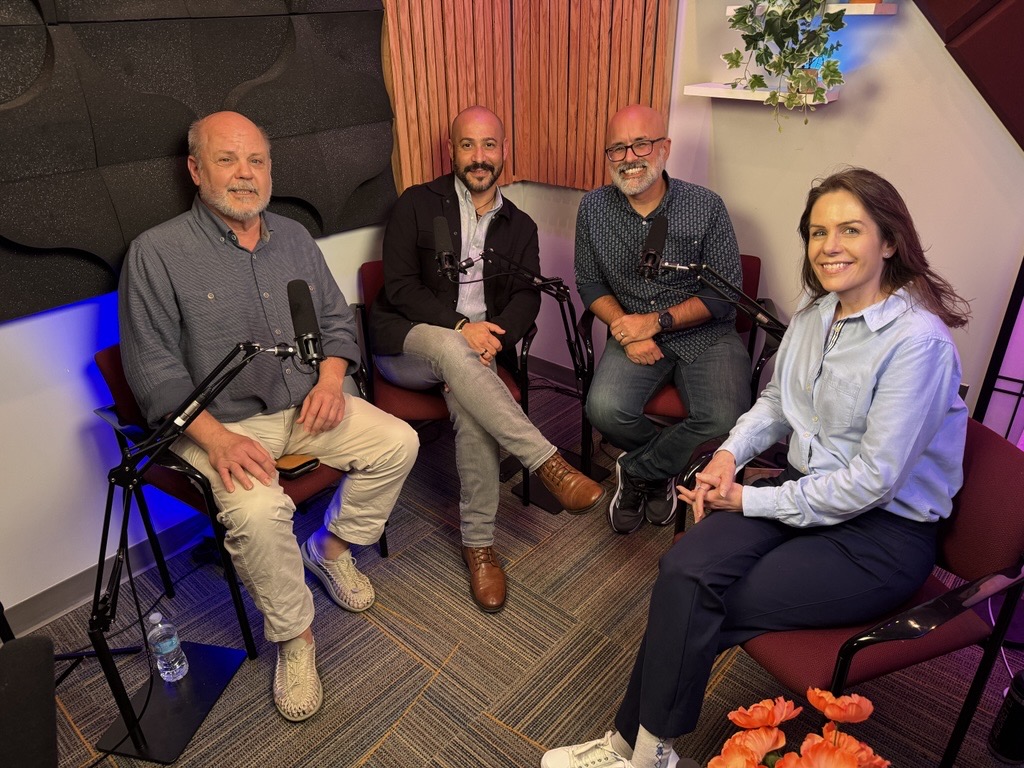
On this episode of Experience Imagination, host Audrey DeLong sits down with “Public Joy Creator”, Mike Bennett, to explore the unexpected journey that transformed a front-lawn art project into a portfolio of family entertainment experiences, including the Portland Aquarium, Wonderwood Springs, Dinolandia, and the beloved A to Zoo installation.
From viral alphabet rap songs and immersive monster museums to fantasy-themed mini golf and an aquarium without live animals, Bennett’s work demonstrates that memorable experiences begin with imagination, authenticity, and a genuine desire to bring people together.
Q: How did a pile of plywood launch your career as an artist and experience creator?
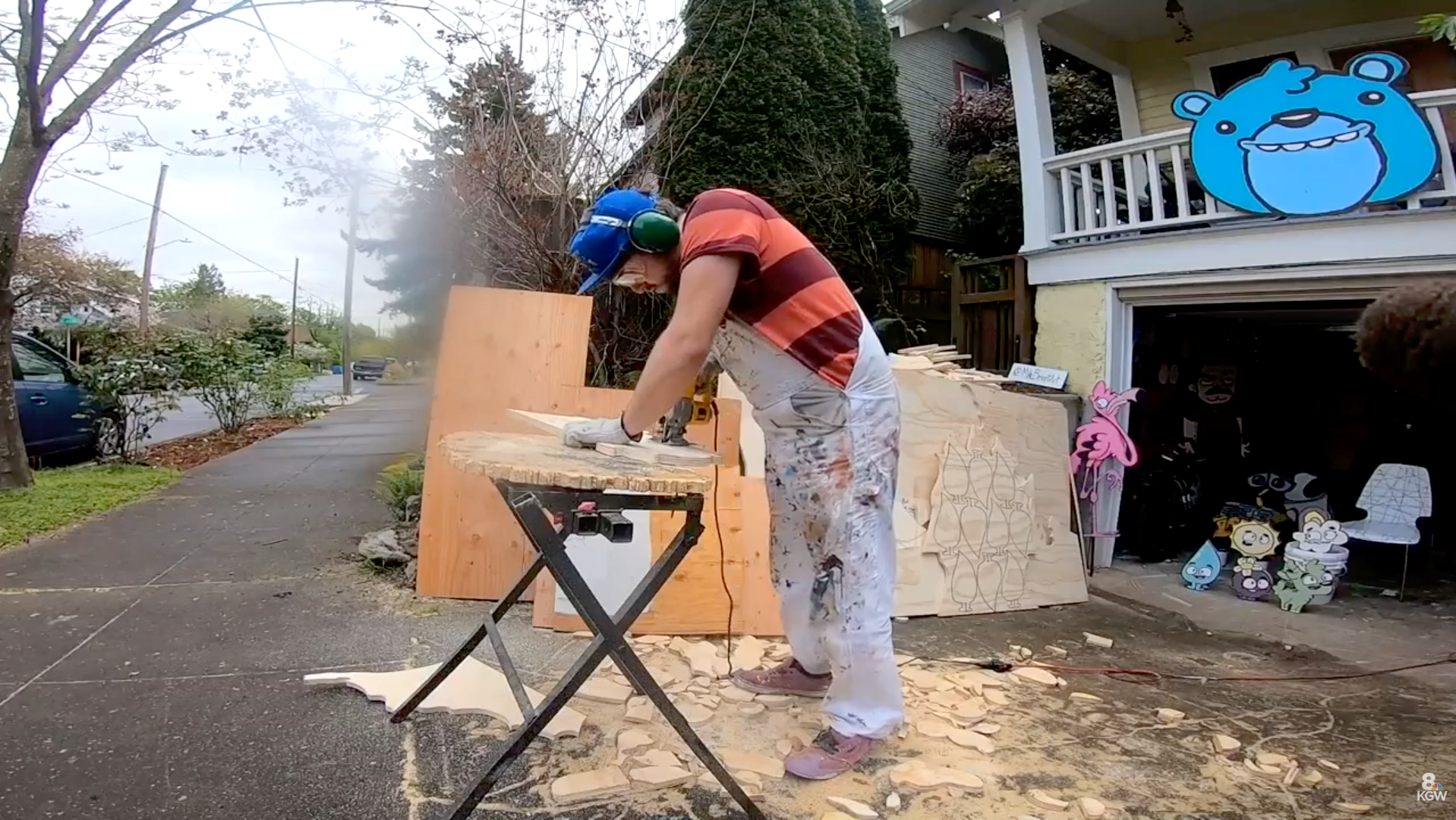
Mike’s path into immersive experiences started during a period of unemployment, when he was simply looking for a way to clear out scrap wood around the house.
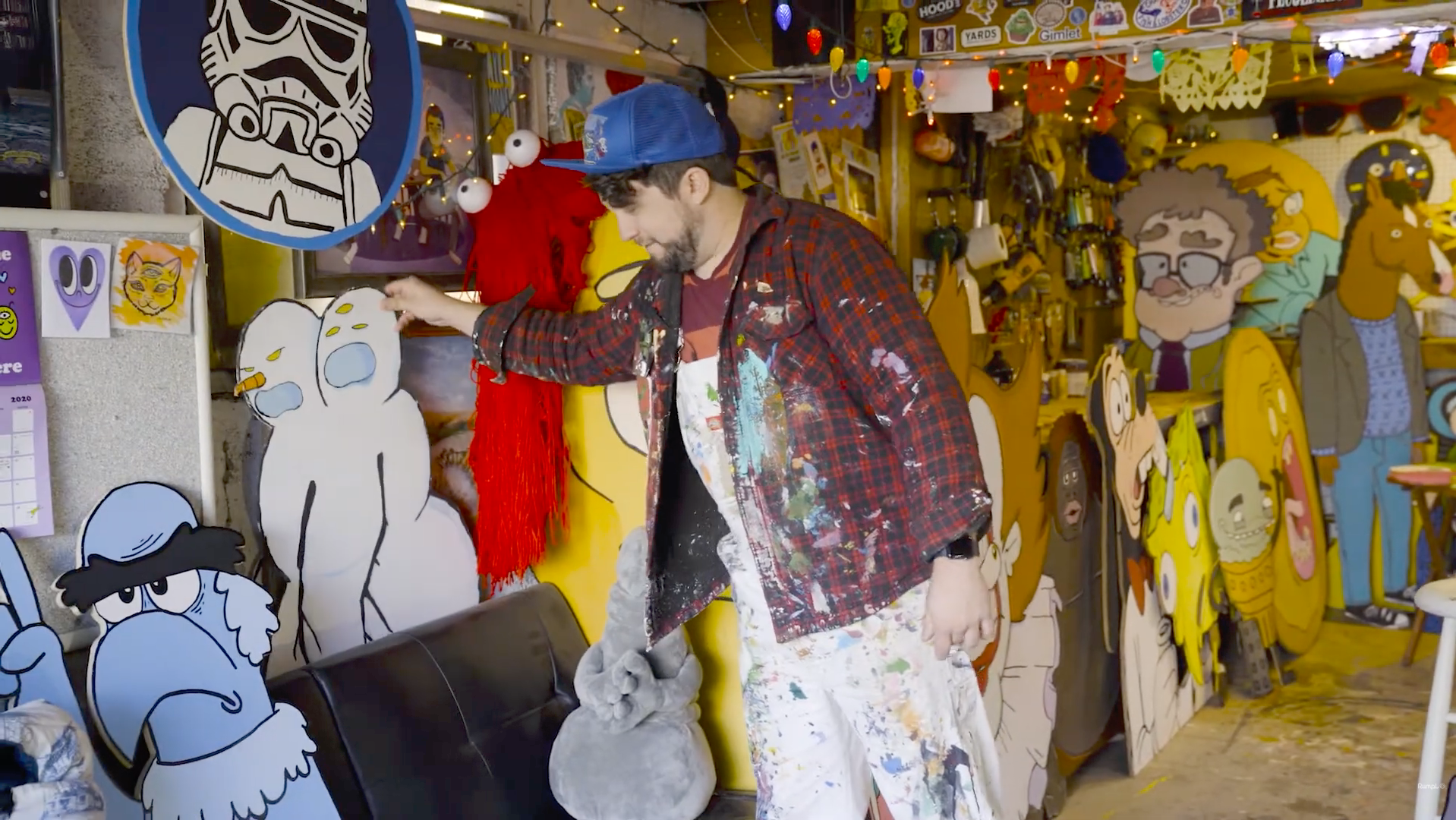
“I borrowed a neighbor’s jigsaw, tried to cut a piece of plywood in half to put it in our car because we had a little car and I realized I could draw with a jigsaw. And despite being super scared of the jigsaw, I decided to make a snowman from Calvin and Hobbs, which is one of my biggest inspirations as a person and an artist. I threw it on the internet just because I made it, and people loved it. And before I knew it, I was making hundreds of pop culture cutouts in my front lawn.”
Q: What role did community play in the growth of your art?
During the pandemic, Mike’s front lawn evolved from a personal art display into something much more meaningful for his neighborhood.
“My front lawn went from a roadside attraction to just like a place of community where people needed something to smile about.”
Even after a devastating setback, where every piece of artwork was stolen overnight, Mike saw an opportunity to reinvent his work.
“It gave me a reset opportunity.”
“So, I decided to create the A to Zoo, which was an evolving animal alphabet where a new illustrated animal would go out every day. And I spent a year doing these educational front lawn alphabets, which to this day is one of my proudest art endeavors I’ve ever taken on.”
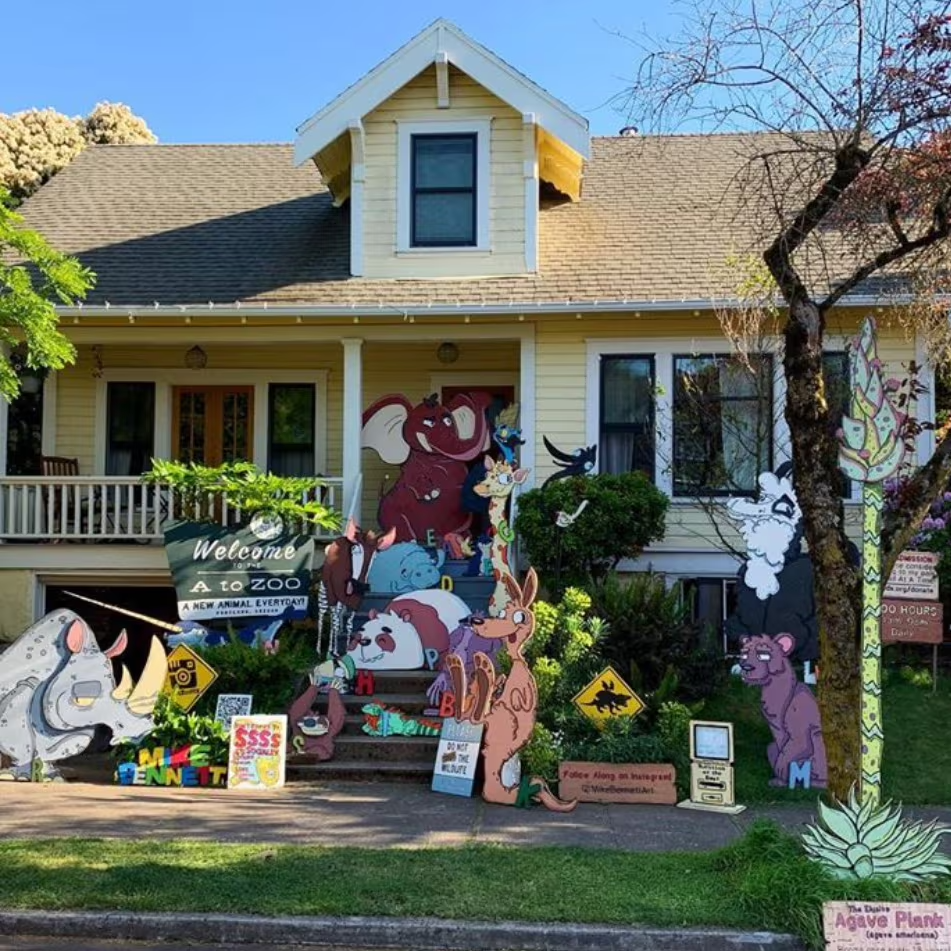
Q: How did A to Zoo become a citywide phenomenon?
What started as a neighborhood art project quickly became a word-of-mouth sensation throughout Portland.
“People would walk around the neighborhood in Portland and say, ‘Do you know where the zoo is?’ …’No, the cartoon zoo.'”
Interest continued to grow until the final day of Mike’s alphabet exhibit drew an astonishing crowd.
“1,000 people showed up on Z day, our final day at my house. I decided then and there that this was the last thing in front of my house, but not the last thing in general.”
One of the most unexpected outcomes of Mike’s A to Zoo project wasn’t an exhibit at all. It was a rap song.
Working alongside musician and longtime friend Joe Kai, Mike transformed his educational animal alphabet into a catchy music video that fans still remember today.
Q: How did you turn an abandoned bank into an immersive attraction?
Looking for a new home for his creativity, Mike was given access to a long-vacant Bank of America building in Portland’s St. Johns neighborhood. Rather than seeing an empty space, he saw potential.
“A landlord let me take it over. She called me the steward of the building. So, I decided to take care of it. And I built a monster museum in 30 days with a bunch of my friends. And we let people in for free for 30 days after that. We had about 30,000 people go through that space. And they got to learn about cryptids like Bigfoot and Mothman and aliens. And it was all about storytelling and geography, but also like the fun of Halloween. And it was cute, but just creepy enough for the adults to love it too.”
The Monster Museum attracted visitors of all ages and interests, proving that immersive, imaginative experiences have broad appeal.
“It was my first time where I saw like kids who shopped at Hot Topic and parents who loved 90s cartoons and kids who loved whatever the heck this crazy thing is. And I was really realizing that this medium that I had discovered was appealing to a much wider audience than I thought was in front of me.”
Q: How would you describe your signature art style?
“I have a couple rules about the way that I illustrate things, there’s often really big flat colors and then a highlight and a low light, like a shadow that you can see because of these little dots and dashes. And I think it’s all in the eyes too, but also, the spirit. I don’t want to make my art too cutesy, they’re a little gross. There’s a little bit of grossness to some of the way I illustrate these. And I don’t know. I think that’s what has stuck with me since the early days of Cartoon Network and Nickelodeon.”
Mike pointed to iconic animated shows that shaped his creative voice.
“Rocko’s Modern Life, Angry Beavers, Hey Arnold, The Simpsons, Cow and Chicken… that’s the era for me.”
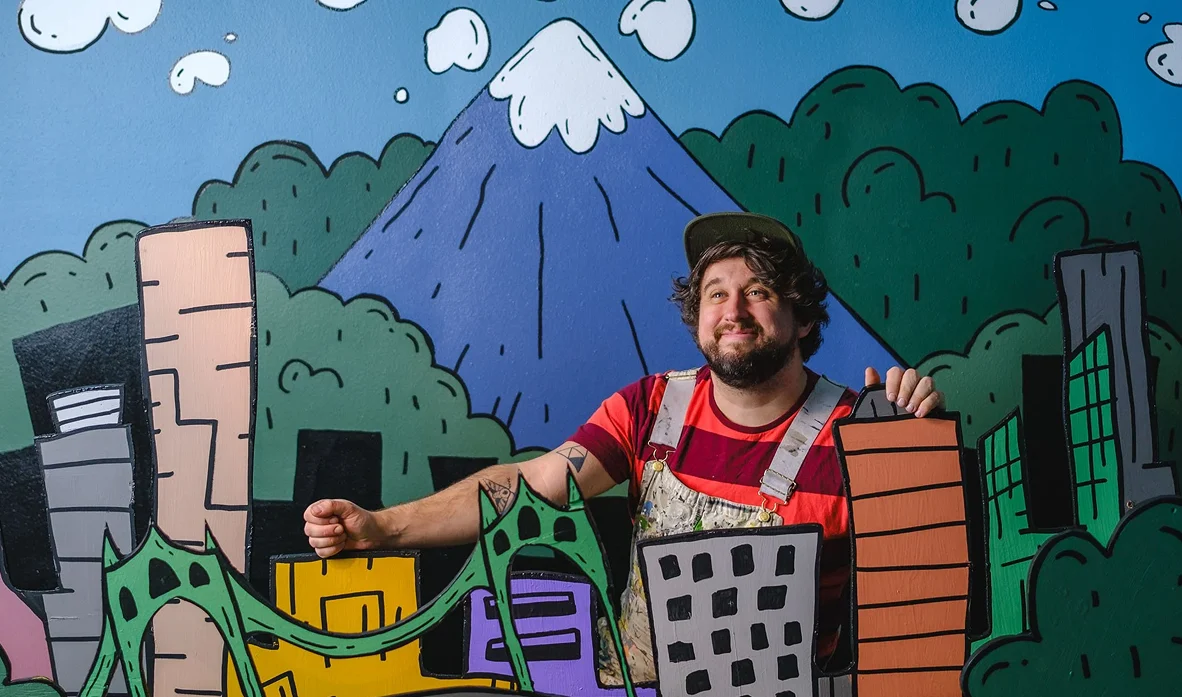
View Mike’s artwork here: https://mikebennettstudios.com/?srsltid=AfmBOoorDdLOFyqnPo2syQ9fH_LlyM8NZRheI-SLEiSVxI9SH4qQhaiz
Q: What can guests expect inside the Portland Aquarium, an aquarium without real animals?
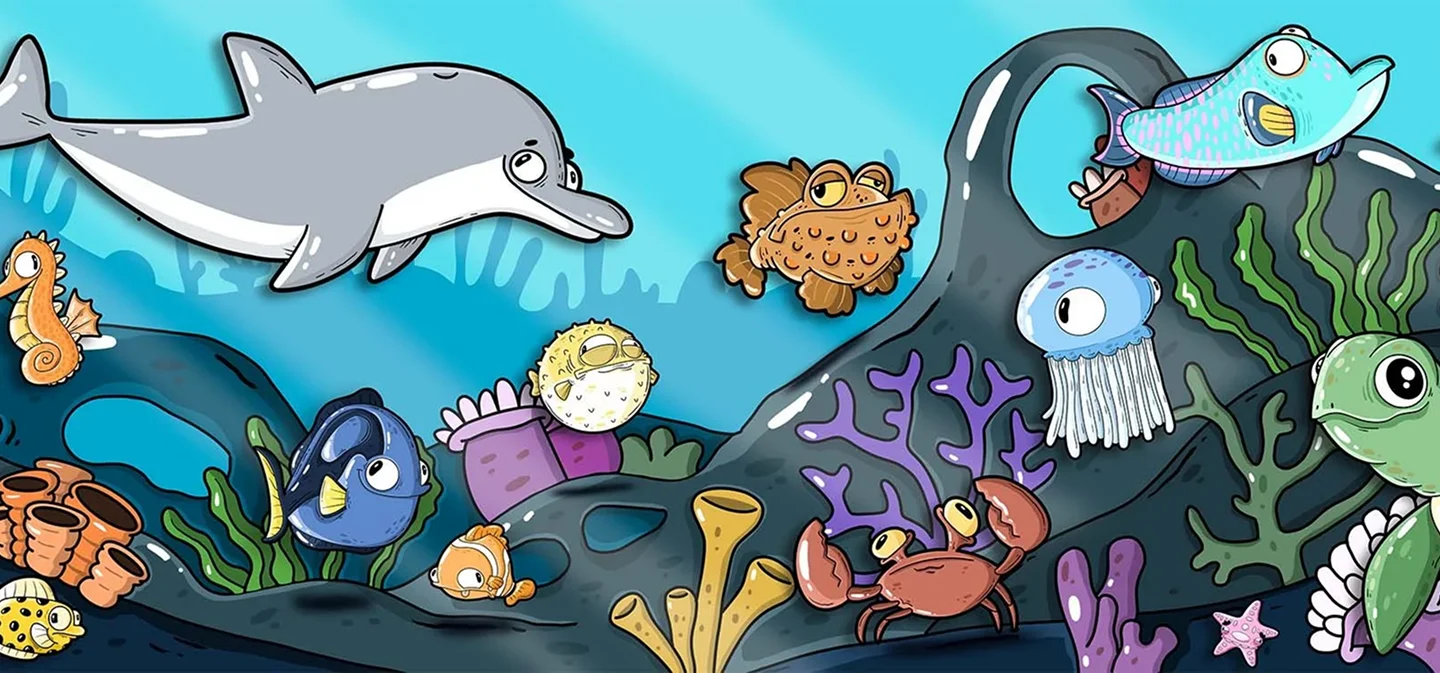
“Everyone who goes to this space gets to experience our immersive dark ride without the vehicle experience. It’s like a giant I Spy. There’s a little bit of a storyline of a professor whose ship sinks to the bottom of the ocean and his goldfish escapes. She’s throughout the space; her name is Gilly.
She’s named after my daughter Gilda, because we opened it when she was about six or eight months old.”
Q: How did science help shape the aquarium experience?
To bring authenticity to the project, Mike partnered with marine biologist Chanel Hayson, who later became his co-host on the Zooquarium podcast.
Their collaboration ensured that the highly stylized artwork remained grounded in real science.
“It was really great to work with a scientist.”
Hayson helped refine countless details, from animal anatomy to species selection.
“She was really great at that. She’s made that project so much better in so many ways.”
The result was an attraction that combines immersive storytelling with genuine educational value.
Q: Where does your endless stream of ideas come from?
Mike credits much of his creative drive to the way his brain is wired.
Diagnosed with ADHD as an adult, he views the hyperfocus that comes with it as a creative advantage.
“I love my flavor of ADHD.”
Once a project captures his attention, he dives in completely.
“I just love that my brain goes in this direction of I want to make, make, make, make, make.”
Rather than treating projects like work, Mike approaches them like games filled with challenges to complete.
“I love a checklist. I love to gamify. I’m like, let’s finish some quests today. Let’s build a T-Rex.”
Q: What exactly is Wonderwood Springs?
What began as an immersive art installation has evolved into a multi-experience destination. Located in the former bank building that housed Mike’s Cryptozoo exhibit, Wonderwood Springs includes a fantasy-themed restaurant, miniature golf course, aquarium, and outdoor gathering space.
“So Wonderwood is unlike anything I’ve ever done because it’s a fantasy world of my own creation, inspired by my love for Dungeons and Dragons, the Lord of the Rings, and just like that no rules fantasy vibe.
The story goes that Wonderwood Springs, our restaurant, is this magical cafe that was built on a spring. So, there’s magical water coming through into our coffee, and it’s a place where no fighting can happen. There’s a peace treaty. It’s a space to create. It’s loose, but you know, everyone loves a story.”
Want to learn more about Mike Bennet and all the fun he’s bringing through his art and immersive exhibits visit: